
Best French Restaurants in Paris: Cooked, Not Reheated
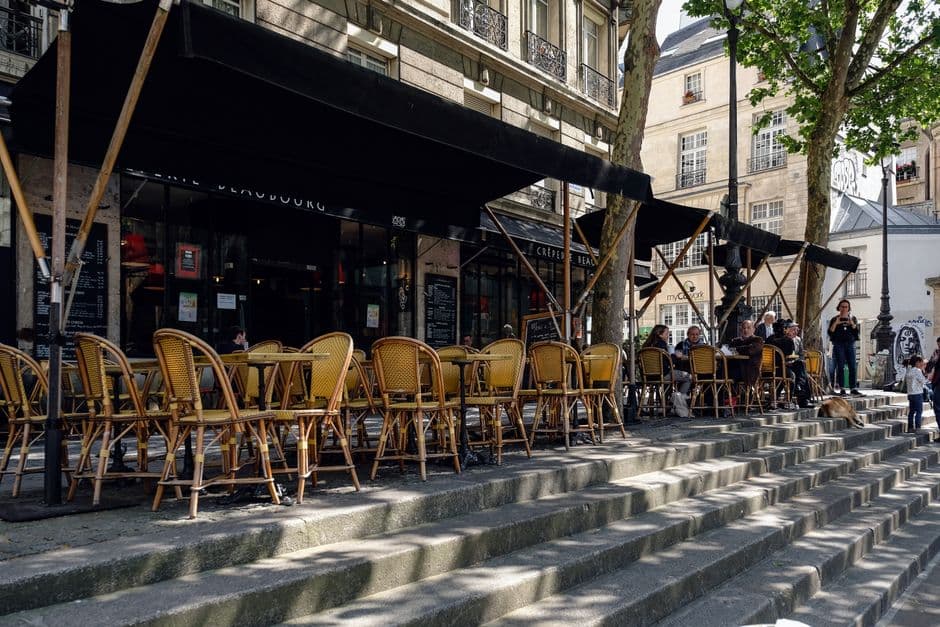
Every guide to the best French restaurants in Paris solves the same problem the same way: stay away from the tourist streets. That is true, and it is not enough, because the thing that decides your dinner is not where the restaurant sits. It is whether anyone in the building is actually cooking.
France answers that question in writing, twice, and almost no English language guide mentions either answer. One is a logo the law puts on menus. The other is a title a government prefect signs, audited by an outside body, listed in a public directory you can search before you book. Learn to read both and you stop guessing.
What follows is the filter, then the map: which official marks mean something, what the 2026 Michelin guide just demonstrated about famous names, where good French cooking clusters by arrondissement, and what to order once you sit down.
There is a law that tells you if the food was cooked in the building
Since Decree 2014-797 of 11 July 2014, French restaurants have had to mark dishes made on site from raw ingredients with a specific logo: a little saucepan with a roof over it, or the words fait maison. It is not a marketing badge a restaurant opts into for fun. Misusing it is a consumer protection offense, with penalties running to 300,000 euros and two years.
So far so good. Now the part that decides how you use it. The decree had to define “raw ingredient,” and it defined it generously. A product still counts as raw after it has been peeled, sliced, diced, ground, boned, shelled, portioned or crushed, and it still counts as raw if it arrived refrigerated, frozen or vacuum packed. A kitchen can therefore buy a great deal of preparation and keep the logo.
There is exactly one ingredient the law refuses to be generous about: the potato. You cannot buy potatoes already peeled and cut and call your fries homemade. Remember that, because it turns one dish on every bistro menu into a test. More on that below.
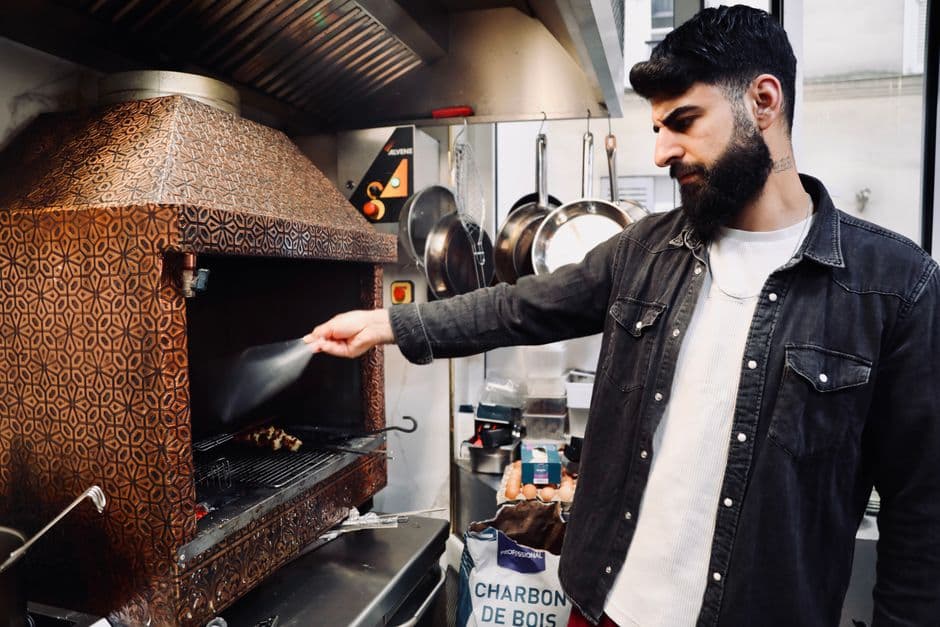
The point: fait maison is weak evidence in favor and strong evidence against. A single marked dish tells you little. A menu in a city that has lived with this rule for over a decade, carrying no marks at all, is telling you something the staff will never say out loud. Read it as a floor, not as a rating.
The reason the floor is low is worth knowing. When the rule was written, estimates circulating in the French press put the share of restaurants serving at least some industrial preparation as high as 70 percent. A definition strict enough to shame most of an industry does not survive the drafting process. So the state wrote a rule the industry could live with, which means the rule marks the difference between cooking and assembling, not the difference between good and bad.
The one mark in Paris that a restaurant cannot buy
The stronger filter is the titre de maitre restaurateur. It is a state title, and the details of how it is granted are the whole reason it is useful:
- It is awarded by the prefect of the department, not by a magazine, a booking platform or a review score.
- The chef has to hold a qualification or documented professional experience. The kitchen has to work from raw, predominantly fresh product, with no assembly and no bought-in prepared dishes. Room, service and hospitality standards are in the specification too, and the criteria now extend to environmental and accessibility requirements.
- Compliance is checked by an accredited outside body that visits and writes a report. Nobody self-certifies.
- It expires. The title runs five years, extended from four, and renewal means a fresh full audit, not a form.
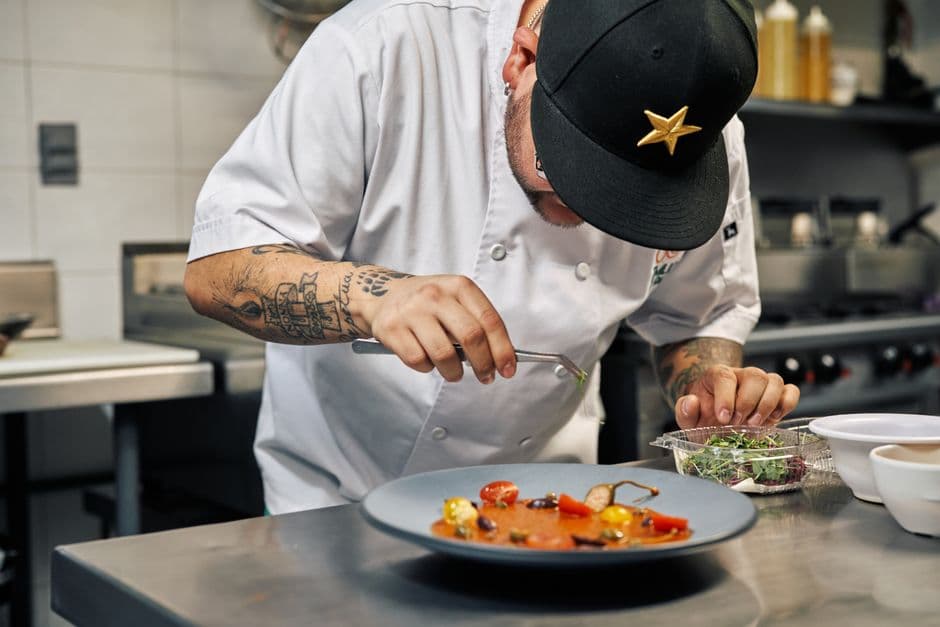
You cannot buy it, you cannot review-bomb it, and it lapses if the kitchen stops cooking. Holders are listed in a public searchable directory, the Association francaise des maitres-restaurateurs map, so this is a filter you can apply from a phone the night before.
The honest limit: plenty of very good Paris kitchens never apply, because the paperwork costs a small restaurant real time and the title means little to the visitors who make up half the room. Absence proves nothing. Presence proves someone let an auditor into the walk-in. Use it as a shortlist generator, not as a scorecard.
Famous French restaurants in Paris are a claim about the past
The famous French restaurants in Paris are famous for real reasons, and the 2026 Michelin guide provided the cleanest demonstration in years of why fame is not a substitute for checking.
L’Ambroisie, on Place des Vosges in the 4th, won its third star in 1988 and did not lose it once in the 38 years that followed. It was the oldest three-star kitchen still running in Paris. In March 2026 the guide took the third star back. Across the whole of France, it was the only restaurant to fall from three stars to two that year.
The mechanism is not mysterious. Bernard Pacaud, who won that third star and cooked behind it for decades, sold his majority stake to the businessman Walter Butler in 2023 and then left the kitchen. Shintaro Awa, previously at Le Bristol, took over. The dining room did not change. The name on the awning did not change. The inspectors do not grade awnings.
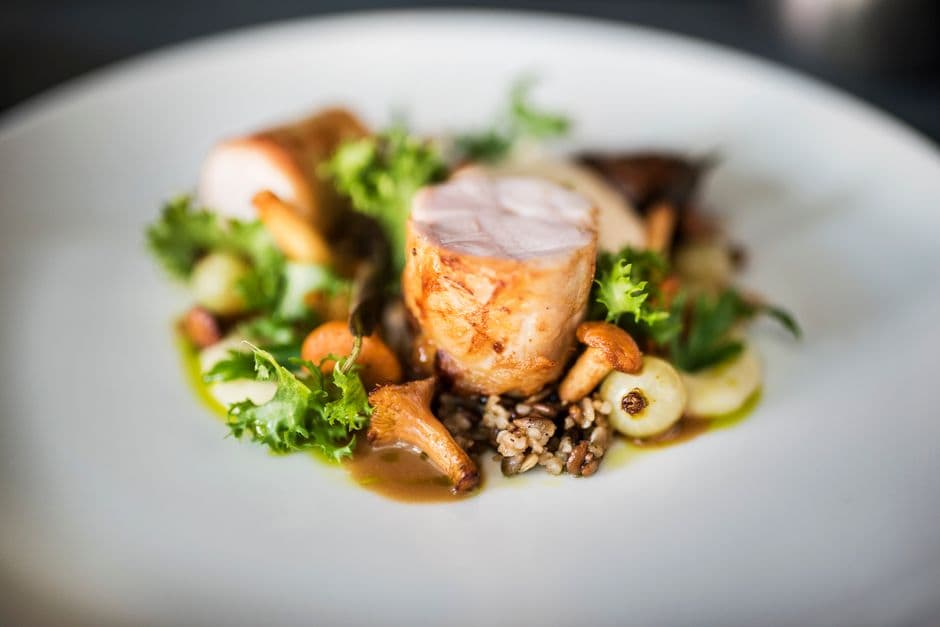
The lesson: 38 years of the highest rating in the business bought exactly zero years of protection. If a guide, a listicle or a hotel concierge recommends a Paris institution, that recommendation is a statement about a kitchen that existed at the time it was written. Check the current Michelin listing for Paris and check who is actually cooking. Both take a minute.
This cuts the other way too. A change of chef is the most common reason a legendary room goes quiet, and it is also the most common reason an unremarkable address suddenly becomes the hardest booking in the 11th. Neither event announces itself on the facade.
The bouillon is the cheapest honest French meal in the city
If you want French classics cooked on site, served in a room worth sitting in, for less than the price of a museum ticket, the format you want is the bouillon. It is not a budget version of a restaurant. It is a different business, and it is 130 years old.
Frederic and Camille Chartier opened the first one at 7 rue du Faubourg Montmartre, in the 9th, in 1896, to feed industrial Paris a proper hot meal at a price workers could pay every day. The room has been a listed historic monument since 1989. The economics still hold: starters from around 1 euro, mains around 7, desserts from 2, and the house target of a full meal under 20.
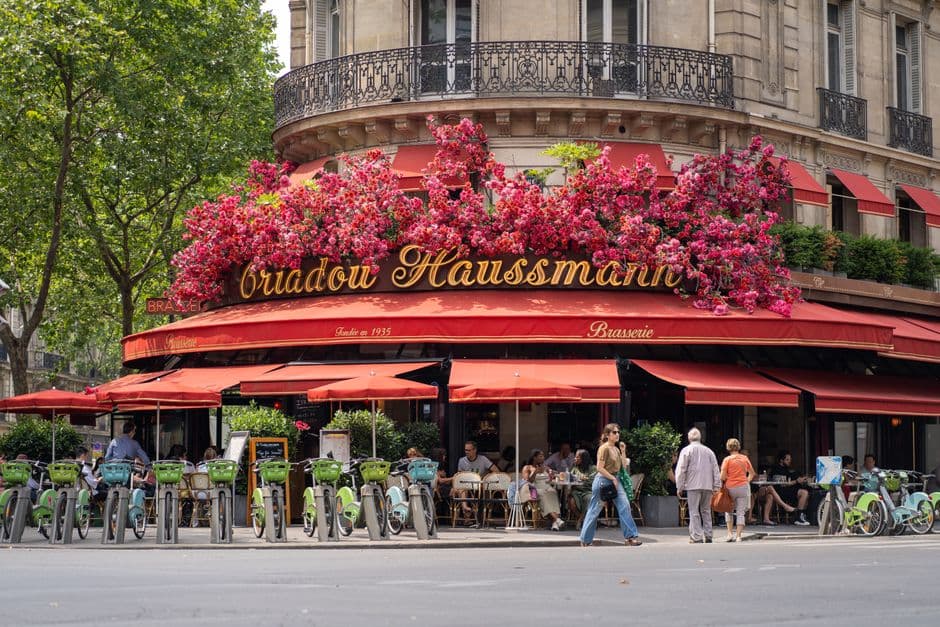
The mechanism is volume and a short menu. A bouillon runs a small list of French standards, cooks them in quantity, serves without a break through the afternoon, and turns tables fast. Nobody takes your reservation and nobody minds if you eat at 4pm. Oeufs mayonnaise, pot-au-feu, boeuf bourguignon, roast chicken, celeri remoulade, profiteroles.
Worth knowing so the words on the awning stop being decoration:
| Word on the awning | What it actually promises |
|---|---|
| Bouillon | Cheap French classics, big room, non-stop service, no bookings, fast turnover. |
| Brasserie | Large menu, beer and shellfish, service all day and late. Alsatian in origin. |
| Bistro | Small, short handwritten menu, one or two services a day, usually bookable. |
| Restaurant | Fixed service hours, a kitchen that closes between lunch and dinner, a booking expected. |
The distinction that matters to your evening is the last column of row four. A restaurant closes its kitchen between about 2:30pm and 7:30pm. Arrive at 5pm hungry and your options collapse to brasseries, bouillons, and the places that were always going to disappoint you.
Where the best French food in Paris actually clusters
Paris is not evenly good. The pattern is simple enough to plan around: the further a dining room is from a monument, the more of its revenue comes from people who might come back, and the harder it works.
- 11th (Bastille, Charonne, Oberkampf). The densest run of modern bistros in the city. Rue Paul Bert alone justifies an evening. This is where a change of chef makes news.
- 9th (South Pigalle, rue des Martyrs). A market street with the bouillon tradition at one end and small ambitious kitchens along it. Best value per euro in central Paris.
- 3rd and 4th (the Marais). The best restaurants in the Marais district of Paris are on the side streets, not on rue des Rosiers or rue Vieille du Temple. Two turns off the busy axis and the same dish drops a third in price.
- 10th (Canal Saint-Martin). Younger, more natural wine than nappery, and cheaper than the 11th for the same ambition.
- 6th (Saint-Germain). The classic bistros with the long histories, and the highest ratio of genuine institution to coasting institution. Worth it if you check first.
- 1st, 7th and 8th. The palace hotels and the great dining rooms are here, and so is almost every bad expensive meal in Paris. This is the zone where the two official marks earn their keep.
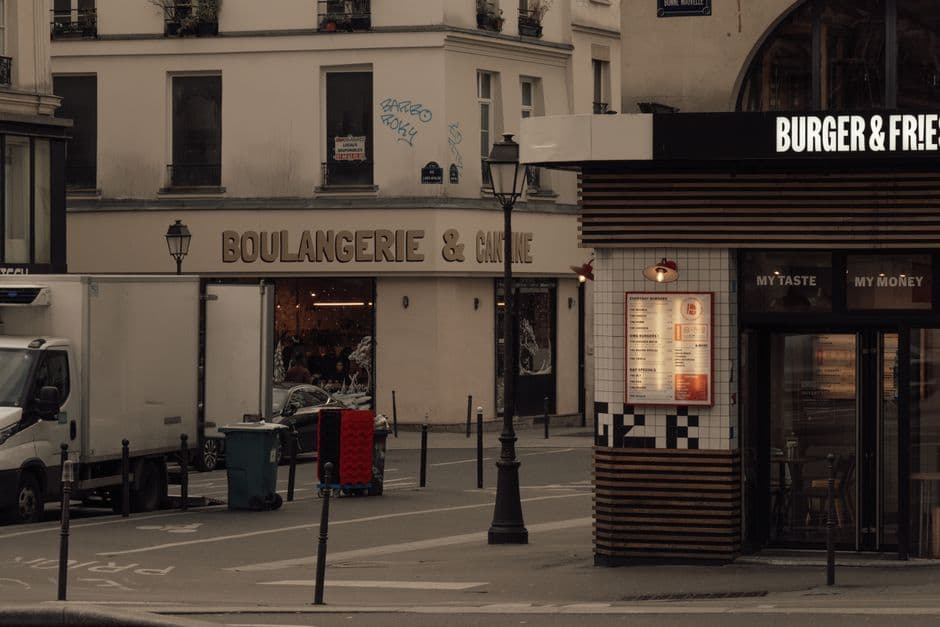
Here is what most advice misses. The competition for a Paris lunch is no longer a worse bistro. It is the counter across the street selling something faster and cheaper, and it has been winning for twenty years. That pressure is why the fait maison rule exists at all, and it is why the kitchens that still peel their own potatoes want you to know about it.
If you want the other French food capital for comparison, Lyon is two hours by train and organizes itself completely differently: see our Lyon restaurants map.
Order the steak frites, and let the fries do the testing
Every French restaurant in Paris has steak frites on the menu, which makes it useless as a signal and perfect as a test. Go back to the decree: the potato is the single ingredient that cannot arrive peeled and cut and still count as homemade. Every other component of a bistro plate can be bought part-prepared. The fries cannot.
So the fries are the most honest thing on the table. Uneven lengths, varying color, a few short ones: someone cut those. Identical batons of identical color: someone opened a bag. That single observation tells you more about the kitchen than the entire wine list.
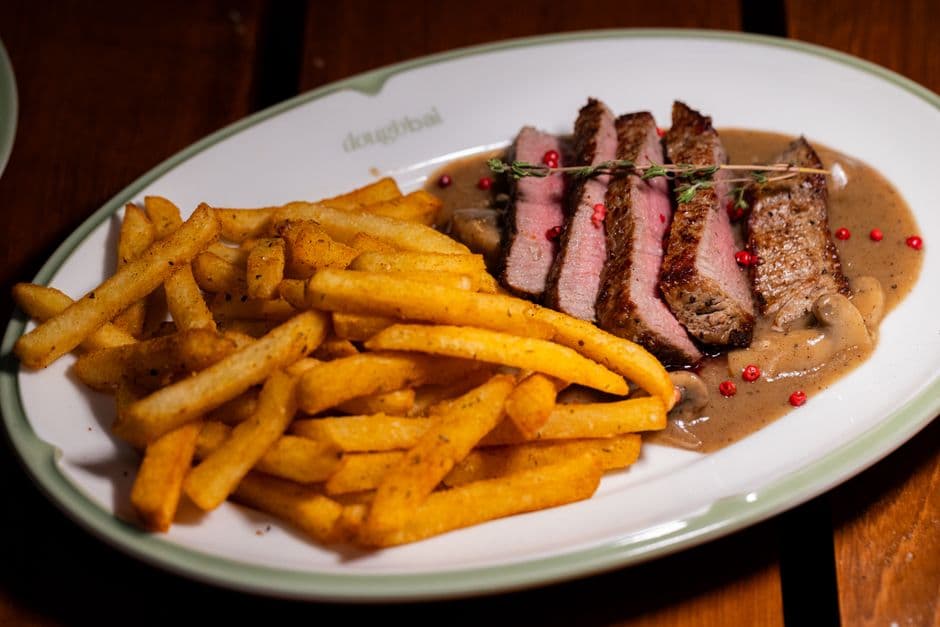
Two practical notes on the steak itself. Order it saignant if you want what an American kitchen calls medium rare, because the French scale runs one step rarer than the English one and a point will arrive pinker than you expect. And the classic cut here is onglet or bavette, not sirloin: cheaper, stronger flavored, and ruined by overcooking, which is exactly why a good kitchen puts it on the menu.
The other dishes that separate kitchens, and why:
- Soupe a l’oignon gratinee. Needs onions cooked down slowly for the better part of an hour. Nobody does that for a dish nobody checks, so a good one is a deliberate decision.
- Boeuf bourguignon and blanquette de veau. Long braises that cost a kitchen a whole day of planning. They are also the two dishes most commonly bought in.
- Sole meuniere. Cooked to order, filleted at the table in the old rooms. It exposes the service as much as the kitchen.
- Confit de canard. The one classic where bought-in is genuinely defensible, since the confit improves with keeping. Judge the skin and the potatoes beside it.
Breakfast and crepes are the two meals Paris gets wrong by default
The best breakfast in Paris is almost never served in a restaurant. The default options are a hotel buffet priced like a dinner and a cafe croissant that arrived on a truck. The fix is to stop looking for a breakfast venue and start looking for a bakery.
A boulangerie that bakes on the premises has to say so, and the same logic as fait maison applies: the ones that do, advertise it. Take the bread from the bakery, take the coffee from a cafe counter standing up, which is also the cheapest coffee in France because bar prices are lower than table prices by law and posted on the wall.
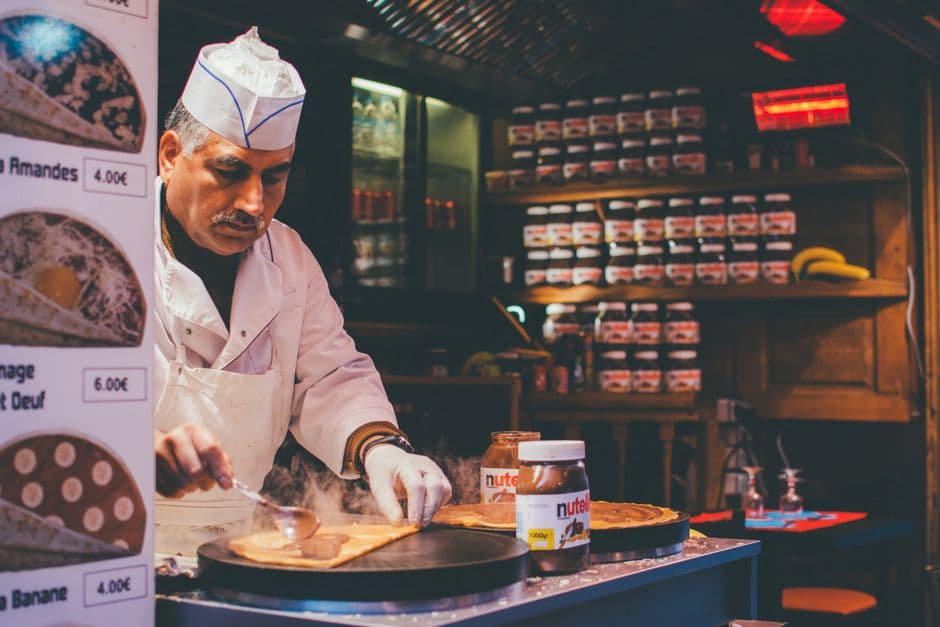
For the best crepes in Paris, the distinction to learn is one word. A galette is buckwheat, savory, and Breton: ham, egg and cheese is the complete version. A crepe is wheat flour and sweet. A creperie that sells you a savory filling on a wheat crepe is selling to people who did not know to ask.
The creperies concentrate around rue du Montparnasse for a reason that is not culinary: Gare Montparnasse is where the trains from Brittany arrive, and Breton families settled around the station they arrived at. The food followed the railway. That is generally how a city ends up with a good version of somebody else’s regional cooking.
Booking, tipping, August, and what a meal actually costs
Service is already paid. Since a decree of 27 March 1987, prices displayed in French restaurants include service. The staff are not working for your tip, and there is no percentage you are expected to hit. Rounding up, or leaving a couple of euros after a good meal, is normal and sufficient. A 20 percent tip is not generous here, it is confusing.
August closes a lot of doors. Independent kitchens take their annual break in August, frequently for two to four weeks, and the small owner-run bistros this guide points you toward are exactly the ones that close. The places that never close in August are the ones that live on visitors. Check before you walk.
Booking. A neighborhood bistro in the 11th usually wants a few days, and Friday and Saturday want more. Starred rooms open their books one to three months out and the three-star tasting menus need more than that. Bouillons and most brasseries take nobody’s reservation, so you go early, go late, or stand in line.
| Meal | Realistic cost per person |
|---|---|
| Bouillon, three courses | 15 to 20 euros |
| Weekday lunch formule, bistro | 18 to 28 euros |
| Dinner in a good neighborhood bistro, with wine | 45 to 70 euros |
| Brasserie dinner, shellfish and a bottle | 60 to 100 euros |
| One-star tasting menu at lunch | 60 to 120 euros |
| Three-star tasting menu at dinner | from around 300 euros |
The lunch line is the one to act on. A kitchen that charges 90 euros in the evening will very often serve a two or three course version of the same cooking at midday for a third of it. The room is the same, the brigade is the same, the hour is the only thing you are giving up.
The point of all of it: Paris does not hide its good restaurants. It hides which ones are still cooking, and it happens to publish the answer in two places nobody reads. Check the menu for the logo, check the directory for the title, check who took over the kitchen, then go and order something with potatoes next to it.
For the shortlist itself, we keep 93 Paris restaurants in one saved Google Maps list, from the three-star dining rooms to the Belle Epoque brasseries and the bistros worth crossing the city for: see the best restaurants in Paris map. If you would rather start from a different city, the full set is on our destinations page, and the same neighborhood-first logic applied to Spain is in our guide to the best restaurants in Barcelona.
Best French restaurants in Paris: common questions
- What are the best French restaurants in Paris?
- It depends what you want the meal to do. For the highest end, Paris still holds a cluster of three-star dining rooms including Arpege, Guy Savoy, Le Cinq and Plenitude. For classic French cooking at a normal price, the modern bistros of the 11th around rue Paul Bert and the kitchens along rue des Martyrs in the 9th are the better hunting ground. For the cheapest honest version, a bouillon will feed you three courses of French standards for under 20 euros. Rather than trusting any single list, apply the two filters in this guide: the fait maison logo on the menu and the maitre restaurateur title.
- What does the fait maison logo on a French menu mean?
- It means that dish was made on site from raw ingredients, under Decree 2014-797 of 11 July 2014. Misusing the logo is a consumer protection offense carrying penalties up to 300,000 euros and two years. The catch is that the legal definition of a raw ingredient is generous: food can arrive peeled, sliced, diced, ground, portioned, refrigerated, frozen or vacuum packed and still qualify. Treat the logo as a floor rather than a rating. The one exception is potatoes, which cannot be bought ready peeled and cut.
- How can I tell if a Paris restaurant cooks its own food?
- Three checks, in order. Look for fait maison marks on the menu, and note that a menu with none at all is a signal. Check whether the restaurant holds the titre de maitre restaurateur, a state title awarded by the departmental prefect, verified by an accredited outside auditor and valid five years, with holders listed in a public searchable directory. Then order something with fries, because the potato is the one ingredient the law will not let a kitchen buy pre-prepared.
- What is a bouillon in Paris?
- A bouillon is a large, cheap, fast French restaurant serving classic dishes, a format invented in the 19th century to feed industrial Paris. Frederic and Camille Chartier opened the first at 7 rue du Faubourg Montmartre in the 9th arrondissement in 1896, and the room has been a listed historic monument since 1989. Starters run from about 1 euro, mains around 7 and desserts from 2, with a full meal under 20. Bouillons serve without a break through the afternoon and do not take reservations.
- Which arrondissement is best for French food in Paris?
- The 11th, around Bastille, Charonne and Oberkampf, has the densest run of modern bistros in the city, with rue Paul Bert as the single best street. The 9th around rue des Martyrs is the best value in central Paris. The Marais in the 3rd and 4th is good on the side streets and poor on the main axis. The 1st, 7th and 8th hold the great dining rooms and also most of the expensive disappointments, which is where checking the official marks pays off most.
- Which famous Paris restaurant lost a Michelin star in 2026?
- L'Ambroisie, on Place des Vosges in the 4th arrondissement, dropped from three stars to two in the 2026 Michelin guide. It had held three stars since 1988 without interruption and was the oldest three-star kitchen still operating in Paris. It was the only restaurant in all of France to fall from three stars to two that year. Founding chef Bernard Pacaud had sold his majority stake to Walter Butler in 2023 and left the kitchen, with Shintaro Awa taking over.
- Do you tip in restaurants in Paris?
- Barely. Since a decree of 27 March 1987, displayed prices in French restaurants include service, so staff are not paid out of your tip and no percentage is expected. Rounding the bill up, or leaving a couple of euros after a meal you enjoyed, is normal and enough. An American-sized 20 percent tip is not read as generous so much as confusing.
- How much does dinner cost in Paris?
- A bouillon runs 15 to 20 euros for three courses. A weekday lunch formule at a bistro is 18 to 28. Dinner at a good neighborhood bistro with wine is 45 to 70, and a brasserie dinner with shellfish and a bottle is 60 to 100. A one-star tasting menu at lunch is 60 to 120, and a three-star tasting menu at dinner starts around 300. Lunch is the single biggest saving: the same kitchen often serves a version of its evening cooking for a third of the price.
- When do Paris restaurants close for the day?
- A traditional restaurant serves lunch from about noon to 2:30pm and dinner from about 7:30pm, with the kitchen closed in between. If you are hungry at 5pm your realistic options are brasseries and bouillons, which run service continu through the afternoon. Note also that many independent kitchens close entirely for two to four weeks in August, and the small owner-run bistros are the most likely to do so.