
Best Food in San Francisco: a Guide by Cuisine, Not by Ranking
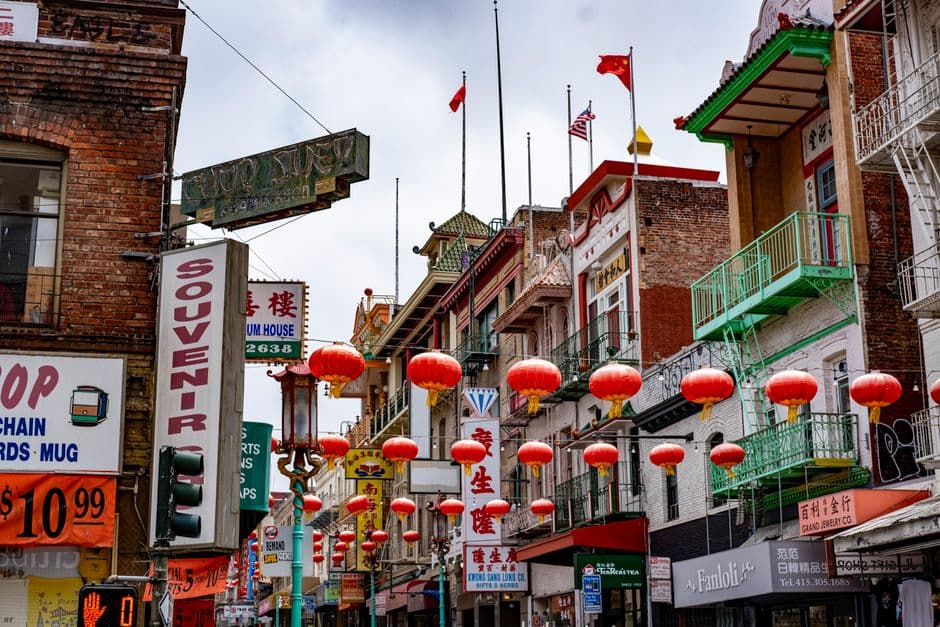
The best food in San Francisco is not a restaurant, it is a cuisine. Ask the city for its best food and the honest answer splits immediately into Mexican, Italian, Chinese, Japanese, Indian and seafood, each with its own few blocks and its own price. This guide is organized that way rather than as a ranked list, because a ranked list of the best food in San Francisco tells you almost nothing about what to eat on a Tuesday.
One number is worth having first. WalletHub scores American cities on the diversity, accessibility and quality of their food, and separately on affordability. On the food half of that measure, taken on its own, San Francisco ranks first in the United States. It finishes third overall, behind Miami and Portland, only because it is 178th of 182 on affordability. That edition was published on 29 September 2025 and is labeled 2026.
The other fact to have in hand is three months old. On 24 June 2026 the MICHELIN Guide California 2026 was announced at EVE in downtown San Diego, and Californios in San Francisco was promoted to three stars, becoming the first Mexican restaurant anywhere in the world to hold them.
The short answer, and the number it rests on
A well read food guide currently sitting on page one for this question opens by asking why San Francisco's food scene is not the best in the country. The WalletHub table answers it: by every component that is about food rather than price, it is. Cost is what moves San Francisco off the top.
| Measure | San Francisco | What it means |
|---|---|---|
| Overall rank | 3rd of 182 | Behind Miami and Portland, 0.13 points ahead of Seattle |
| Diversity, accessibility and quality | 1st of 182 | The food half of the score, taken alone |
| Affordability | 178th of 182 | Near the bottom of the table |
| Restaurants per capita | Very high | WalletHub's own description of the city |
Read it as a warning as much as a recommendation. The reason to plan a San Francisco eating trip carefully is that the city is expensive enough to punish a bad choice, and varied enough that a good choice is cheap. Several of the best things to eat here cost under twenty dollars. The section on what appears at the bottom of your bill is at the end of this guide, and it is not a tip.
The same logic runs through our ranking of the best food cities in America, where San Francisco is the only city in the top five of both WalletHub's list and Food and Wine's.
Four things are worth eating specifically because San Francisco made them, and all four are widely faked. The table is the short version of the sections below.
| Dish | What it should look like | What you often get |
|---|---|---|
| Cioppino | Red tomato and white wine broth, shell on Dungeness crab, clams and mussels | A creamy white chowder, which is a New England dish |
| Mission burrito | Steamed flour tortilla, rice inside, rolled tight and wrapped in foil | An open bowl, or a small street taco |
| Sourdough | Round loaf, dark blistered crust, a raised ear, open irregular crumb | A soft pale sandwich loaf labeled sourdough |
| Dungeness crab | Broad oval brown shell, sold live or cracked, a winter dish | Imported crab meat sold at local prices out of season |
Three guides currently ranking for this question were read while writing this one: a Time Out list last updated in April 2026, a December 2025 roundup of places worth seeking out, and a long personal guide published in August 2026. All three are good on restaurants and none of them separates San Francisco from San Mateo County, which is the mistake that sends people to the wrong city. That section is further down.
San Francisco's newest three star restaurant is Mexican
The MICHELIN Guide California 2026 selection was revealed on 24 June 2026. Two restaurants were promoted to three stars: Californios in San Francisco and Enclos in Sonoma. Californios is a Mexican restaurant, and the promotion made it the first Mexican restaurant in the world to hold three MICHELIN stars.
Chef Val M. Cantu opened Californios in January 2015 at 3115 22nd Street in the Mission. It took one star in its first year, a second in 2017, which already made it the first Mexican restaurant in the United States with two, and it moved to a larger room at 355 11th Street in SoMa in 2021. That is the address on the restaurant's own site today, and it is worth checking, because a restaurant that has moved once tends to keep the old address alive in listings for years.
San Francisco now has four restaurants with three stars: Californios, Atelier Crenn, Benu and Quince. That count is new. The WalletHub page quoted above describes San Francisco as having "three establishments with three stars apiece," which was correct when it was published on 29 September 2025 and stopped being correct nine months later, without anything happening to WalletHub. Rankings expire quietly. Check the date on any superlative you read about a restaurant scene, including the ones in this guide.
| MICHELIN Guide California 2026 | Count |
|---|---|
| Restaurants in the selection | 523 |
| Three stars | 10 |
| Two stars | 13 |
| One star | 60 |
| Bib Gourmand | 117 |
| Green Star | 18 |
Those are statewide figures published by MICHELIN and they reconcile: 10 plus 13 plus 60 plus 117 plus 323 recommended equals 523. San Francisco's share of them is large but it is not the city, and a first visit built entirely around starred rooms will miss most of what the WalletHub score is actually measuring. If stars are the point of the trip, our guide to the city with the most MICHELIN stars compares cities on that basis directly.
Best Mexican food in San Francisco, and what a Mission burrito actually is
Mexican is the cuisine most people are really asking about when they ask about the best food in San Francisco, and the answer is a neighborhood: the Mission, roughly along Mission Street and Valencia Street between 16th and 24th.
The Mission burrito is a defined object and it is easy to be sold something else. The tortilla is a large flour one that has been steamed to make it foldable. Rice goes inside, along with beans, grilled meat, cheese, sour cream, guacamole and salsa. It is rolled tight and wrapped in foil so it can be carried. A bowl with the same ingredients is not a Mission burrito, and neither is a small street taco. If it arrives unwrapped on a plate, whatever else it is, it is not the thing the city invented.
Who invented it is disputed and both claimants are specific about the date. El Faro dates the first one to 26 September 1961, when the owner served a group of firefighters an oversized burrito instead of the sandwiches they asked for. La Cumbre, which opened as a meat market in 1967, dates its first burrito to 1969. The rivalry between the two is the usual explanation for how quickly the format spread.
- El Farolito, 2779 Mission Street. Serving burritos since 1983, cash only, open late, and the default answer when someone in the city is asked where to send you. Note that El Farolito has around ten locations across the Bay Area, so the address matters: 2779 Mission Street is the Mission one, by the 24th Street BART station.
- La Taqueria, 2889 Mission Street. Named an America's Classic by the James Beard Foundation in 2017, and voted the best burrito in the country by FiveThirtyEight in 2014. Its burritos famously contain no rice, which is the exception that defines the rule. One caution: at the time of writing its listings showed the restaurant under construction, so check before you walk there.
- Maria Isabel, in the Mission. The modern end of the same street, and the one most often named by locals writing about Mexican food in the city in 2026.
For a sit down Mexican meal at the other end of the scale, Californios is a twelve minute walk from the top of Valencia Street, in SoMa.
Best Italian food in North Beach, San Francisco
North Beach is the Italian neighborhood, centered on Columbus Avenue between Broadway and Washington Square. It is a genuinely old food district rather than a themed one, and it is where cioppino was invented, which is covered in the next section.
- Piccolo Forno, on Columbus Avenue. Small, Tuscan, and the gnocchi with gorgonzola is the dish it is known for.
- Seven Hills, Russian Hill. A short walk uphill from North Beach proper. Handmade pasta, including agnolotti and a squid ink fettuccine with Dungeness crab that ties the Italian and the seafood halves of the city together.
- Flour and Water, the Mission. Not in North Beach, and included because the best Italian cooking in San Francisco has not been confined to North Beach for a long time.
North Beach is also the easiest place in the city to eat badly. The blocks closest to Fisherman's Wharf trade on the neighborhood's reputation with menus aimed at people who will visit once. Walk two blocks further in.
Cioppino, Dungeness crab and the sourdough bowl question
Cioppino is the dish San Francisco can claim outright. Genoese fishermen working out of North Beach in the late 1800s made it from whatever was left of the day's catch, cooked with olive oil, onion, tomato, garlic, herbs and wine. The name is usually traced either to the Genoese word ciuppin, meaning little soup, or to fishermen asking each other to chip in to the pot.
The form is the part to hold on to. Cioppino is a red broth, tomato and white wine, crowded with shell on Dungeness crab, clams, mussels, shrimp and white fish, and served with a bib and a lot of bread. A creamy white seafood soup is New England clam chowder, which is a different dish from a different coast. A clear broth is neither.
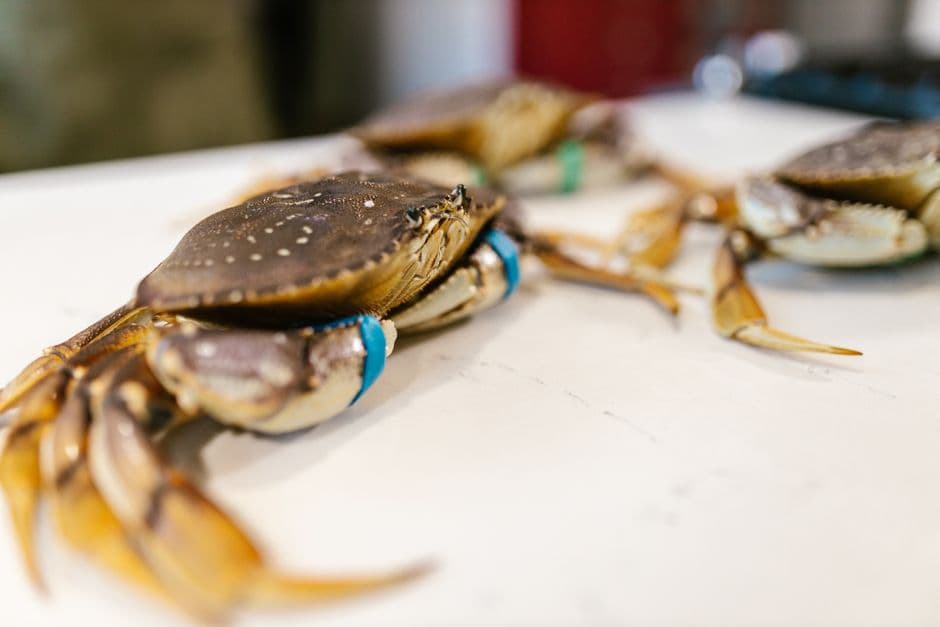
Dungeness crab is the local shellfish and it is seasonal. The commercial season traditionally opens in the weeks before Christmas and the fishery has been disrupted repeatedly in recent years, so ask whether the crab is local before paying for it as such.
- Tadich Grill, 240 California Street. Traces itself to 1849 and has been at the California Street address since 1967. It is the oldest continuously operating restaurant in California, and cioppino is one of the two dishes it is known for, the other being pan fried sand dabs.
- Sam's Grill. The other old wood paneled downtown grill, and the cioppino is the order.
- Swan Oyster Depot, 1517 Polk Street. A counter with fewer than twenty stools, no tables, and a line. Oysters, crab, smoked fish. It closes in the afternoon.
Sourdough is the other thing the city is asked about. Boudin Bakery dates to 1849, when Isidore Boudin, from a family of bakers in Burgundy, started baking in San Francisco during the Gold Rush. It turned 175 in September 2024 and is the oldest continuously operating business in the city. The company says a portion of its original mother dough carries through to every loaf.
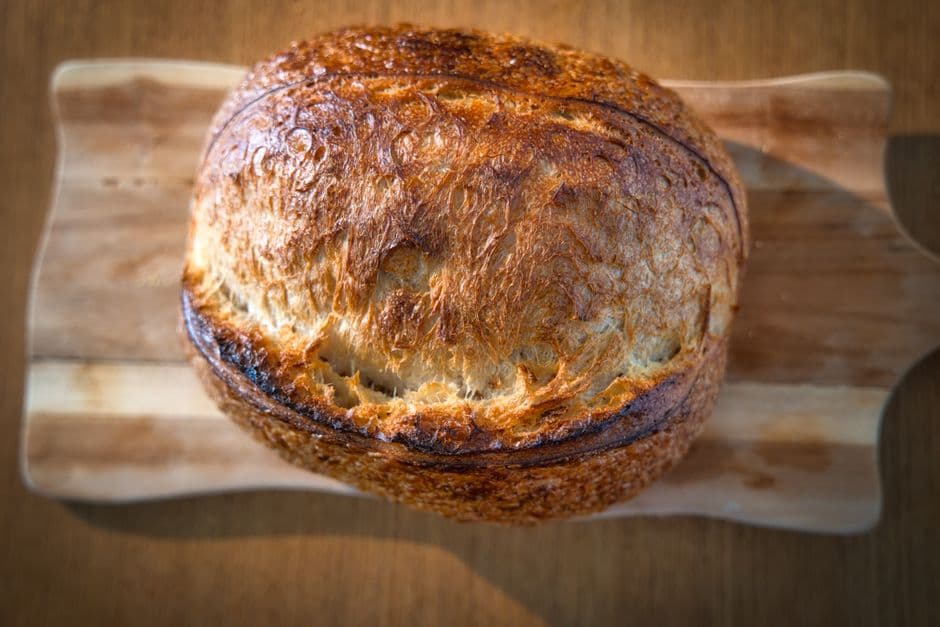
Good sourdough is identifiable by sight: a round loaf, a dark crust covered in small blisters, a raised ear where it was scored, and an open irregular crumb inside. A soft pale sandwich loaf labeled sourdough is a different product. The clam chowder in a hollowed sourdough bowl at Fisherman's Wharf is a real thing that real people enjoy, and it is also the single most touristed plate in the city. It is not cioppino and it is not what sourdough is for.
Best Chinese food in San Francisco Chinatown, and where else to look
San Francisco's Chinatown is the oldest in North America and it is still a working neighborhood of grocers, herbalists and bakeries rather than a single restaurant strip. Three places anchor the modern version of it.
- Mister Jiu's, Chinatown. Holds one MICHELIN star. Chinese American cooking treated as its own tradition rather than as a fusion.
- Four Kings, Chinatown. Cantonese, and the fried squab is the dish people go for.
- Z and Y Peking Duck, Chinatown. Peking duck served with pancakes, from the team behind the Sichuan restaurant next door.
For Sichuan specifically, and for Chinese food generally, much of the depth has moved west. The Richmond District along Clement Street and the Sunset along Irving Street hold a large share of the city's best Chinese cooking, including regional kitchens that Chinatown does not have: Yunnan rice noodles in the Richmond, Cantonese roast duck out in Westwood Park. If you have two Chinese meals in San Francisco, make one of them in Chinatown and one of them west of Arguello.
Best food in Japantown, San Francisco
Japantown is six blocks around the Peace Pagoda, on and near Post Street between Laguna and Fillmore. It is one of three surviving Japantowns in the United States and it is small enough to eat your way through in a weekend.
- Marufuku Ramen. Hakata style tonkotsu, the thin noodle and long simmered pork broth version. Expect to wait.
- 7 Adams. Holds one MICHELIN star. Small, seasonal and Californian rather than Japanese.
- Nari. Thai, one MICHELIN star, in the Kabuki building. Japantown's best restaurant is not a Japanese one, which is a very San Francisco outcome.
- Yasukochi's Sweet Stop. Inside the Super Mira market. The coffee crunch cake is the reason to go and it sells out.
Best Indian food in San Francisco
Indian cooking in San Francisco is unusually well represented at the top end, and the two names to know are both regional rather than pan Indian.
- Copra, Fillmore. Keralan, from chef Srijith Gopinathan, who holds two MICHELIN stars for his work elsewhere in the city. Coastal south Indian cooking, heavy on coconut, tamarind and seafood.
- Tiya, Cow Hollow. Named by the MICHELIN Guide among the best Indian restaurants in the Bay Area, and the vegetarian tasting menu is what it is built around.
Both are restaurant meals rather than cheap ones. For the cheaper end of Indian food the Tenderloin and the Sunset carry it, and the same caution applies as everywhere in this city: the good version and the bad version sit on the same block at the same price.
Where the value is, and the healthy food question
The gap between a twenty dollar meal and a four hundred dollar one is wider in San Francisco than almost anywhere, and the useful middle is easiest to find through the MICHELIN Bib Gourmand, which marks good cooking at a moderate price rather than starred cooking. California has 117 of them. The San Francisco entries include Good Good Culture Club and Izakaya Rintaro, both in the Mission, and Outerlands in the Outer Sunset, which is the one to build a day around because it is out by Ocean Beach and nothing else on this page is.
Healthy food is a real category here rather than a marketing one. WalletHub scores San Francisco fourth in the country for access to healthy food options, and the city is unusually strong on vegetarian and vegan cooking at restaurant level rather than salad bar level. Shizen in the Mission serves vegan sushi that is built as sushi rather than as a substitute for it, and Wildseed in Cow Hollow is a full plant based menu including a vegan version of chilaquiles. Tiya, in the Indian section above, belongs on this list too.
What the value tier is not is the middle of a tourist street. The reliable pattern across the whole city is that money buys either a counter or a tasting menu, and the least rewarding twenty five dollar plates in San Francisco are the ones on Columbus Avenue nearest the water and on Fisherman's Wharf.
Street food, food trucks, takeout and late night
San Francisco does not have a permanent street food district in the way Bangkok or Mexico City does. What it has instead is organized markets on fixed days, plus taquerias that stay open when nothing else does.
- Off the Grid at Fort Mason Center, 2 Marina Boulevard. The Friday night market, 5pm to 10pm, free entry, a rotating lineup of food trucks and stalls on the waterfront between the Marina and Fisherman's Wharf. It is the largest regular gathering of food trucks in the city.
- Off the Grid on Treasure Island. The fall market runs six Saturdays from 12 September to 17 October 2026, 11am to 4pm, with free admission and a ferry from the city.
- Late night. The Mission taquerias are the answer. El Farolito on Mission Street runs late and is cash only, which is the detail that catches people out at 1am.
- Takeout. Chinatown and the Richmond are the strongest takeout neighborhoods, and a burrito is engineered for it: the foil is the packaging.
SFO and South San Francisco are not San Francisco
Two common searches point at places outside the city, and both are worth separating out before you plan around them.
San Francisco International Airport is not in San Francisco. It is owned and operated by the City and County of San Francisco, and it carries a San Francisco mailing address and ZIP code, but it physically sits in an unincorporated part of San Mateo County, about 12 miles south of the city. Airport food is a real question and SFO answers it better than most American airports, but it has nothing to do with eating in San Francisco, and the terminal is thirty minutes from the Mission on BART.
South San Francisco is a different city. It is separately incorporated, also in San Mateo County, with its own government and its own hillside sign reading The Industrial City. It is not a neighborhood of San Francisco, it is not south San Francisco in the lowercase sense, and a restaurant list for it is a list for somewhere else. The southern neighborhoods of San Francisco itself are the Excelsior, the Outer Mission, Visitacion Valley and Bayview.
What it costs, and the line on your bill that is not a tip
San Francisco restaurant bills carry a surcharge that visitors reliably mistake for either a service charge or a scam. It is neither.
The city's Health Care Security Ordinance requires employers above a size threshold to spend a set amount per hour worked on health care for their staff. In 2026 that is 2.34 dollars an hour for employers with 20 to 99 employees and 3.51 dollars an hour for larger ones. Many restaurants recover the cost by adding a percentage to the bill and labeling it a health care surcharge or an SF mandate.
Two things follow. First, the city neither requires nor prohibits the surcharge: it is the restaurant's choice, which is why some bills have one and some do not. Second, the percentage is not standard. Most fall between 3 and 7 percent, but a San Francisco Chronicle survey of 100 spots found fees ranging from 3 percent to 30 percent, because some restaurants roll service into the same line. Read the small print at the bottom of the menu before you decide what to tip on top.
- Tipping. Fifteen to twenty percent is normal on top of the bill unless the menu states service is already included.
- Cash. Several of the best cheap places, El Farolito among them, are cash only.
- Booking. The starred rooms release tables weeks ahead and Californios is the hardest table in the city since June 2026. The counters, Swan Oyster Depot included, do not take bookings at all and the line is the price.
- Timing. Dungeness crab is a winter dish. Off the Grid at Fort Mason is a Friday. Yasukochi's sells out of coffee crunch cake by the afternoon.
- Geography. The Mission, North Beach, Chinatown and Japantown are four separate trips, not one. The city is seven miles square and the hills are real.
The pattern that holds across all of it: San Francisco's best food is cheap or extremely expensive, and the middle is where the money gets wasted. That is the same shape we found writing about where to eat in New Orleans, and it is a useful default in any American city that scores high on quality and low on affordability.
The full list, with every place checked and ready to open on a phone, is on our San Francisco restaurants map, and the other cities are under destinations.
Common questions
- What is the best food in San Francisco?
- It depends on the cuisine, because that is how the city divides. Mexican food is in the Mission, along Mission Street and Valencia Street, and the Mission burrito is the dish San Francisco gave the rest of the country. Italian food is in North Beach around Columbus Avenue. Chinese food is in Chinatown and, increasingly, in the Richmond along Clement Street. Japanese food is in the six blocks of Japantown. Seafood means cioppino and Dungeness crab, best eaten at the old downtown grills rather than on Fisherman's Wharf. At the top end, Californios in SoMa was promoted to three MICHELIN stars on 24 June 2026, the first Mexican restaurant in the world to hold them.
- What food is San Francisco known for?
- Four things the city can claim directly. Cioppino, a tomato and white wine seafood stew made by Genoese fishermen in North Beach in the late 1800s, crowded with shell on Dungeness crab, clams and mussels. The Mission burrito, a steamed flour tortilla with rice inside, rolled tight and wrapped in foil, dated by El Faro to 26 September 1961 and by La Cumbre to 1969. Sourdough bread, which Boudin Bakery has been baking since 1849. And Dungeness crab itself, which is a winter dish, not a year round one.
- What is the best Mexican food in San Francisco?
- The Mission District, and for burritos specifically El Farolito at 2779 Mission Street, which has been open since 1983, stays open late and is cash only. Note that El Farolito has around ten Bay Area locations, so the address matters. La Taqueria at 2889 Mission Street was named an America's Classic by the James Beard Foundation in 2017 and voted the best burrito in the country by FiveThirtyEight in 2014, and it serves its burritos without rice, though at the time of writing its listings showed it under construction. At the other end of the scale, Californios at 355 11th Street in SoMa holds three MICHELIN stars.
- Where is the best Italian food in North Beach, San Francisco?
- North Beach runs along Columbus Avenue between Broadway and Washington Square, and it is a working Italian neighborhood rather than a themed one. Piccolo Forno on Columbus Avenue is small and Tuscan, and the gnocchi with gorgonzola is what it is known for. Seven Hills, a short walk uphill in Russian Hill, makes its own pasta including a squid ink fettuccine with Dungeness crab. The blocks nearest Fisherman's Wharf are the weakest part of the neighborhood, so walk two blocks further in. North Beach is also where cioppino was invented.
- How many Michelin star restaurants are in San Francisco?
- The MICHELIN Guide California 2026 selection, announced on 24 June 2026 at EVE in downtown San Diego, covers 523 restaurants statewide: 10 with three stars, 13 with two, 60 with one, plus 117 Bib Gourmands and 18 Green Stars. San Francisco holds four of the three star restaurants: Californios, Atelier Crenn, Benu and Quince. Californios was the promotion that year and is the first Mexican restaurant in the world with three stars. Note that guides published before June 2026 will tell you San Francisco has three.
- Why do San Francisco restaurants add a surcharge to the bill?
- It pays for the city's Health Care Security Ordinance, which requires employers above a size threshold to spend a set amount per hour worked on health care for their staff. In 2026 that is 2.34 dollars an hour for employers with 20 to 99 employees and 3.51 dollars an hour for larger ones. The city neither requires nor prohibits passing it on, so some restaurants add a line to the bill and some do not. Most such fees fall between 3 and 7 percent, but a San Francisco Chronicle survey of 100 restaurants found fees from 3 percent up to 30 percent, because some roll service into the same line. It is not a tip, and tipping of 15 to 20 percent is still normal on top.