
The Best Food in Tokyo: What to Eat, Where to Eat It, and What It Costs
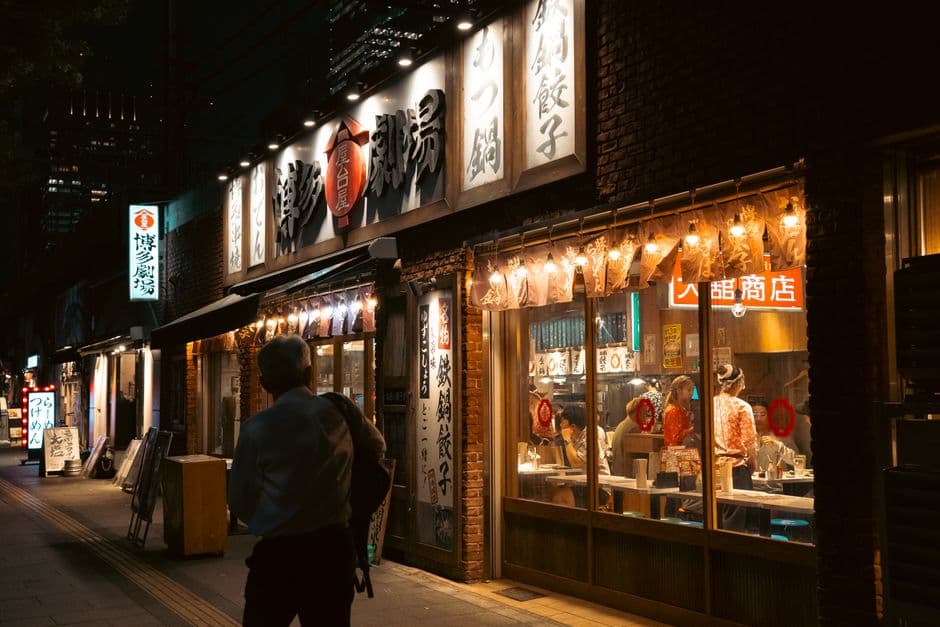
The best food in Tokyo is not concentrated in one district or one price bracket, which is exactly what makes the city hard to plan for. A bowl of ramen at 1,000 yen and a three-star kaiseki dinner at 40,000 are both worth the trip, and they are often a ten minute walk apart. This guide covers what to eat, which neighborhoods to eat it in, what a meal costs, and the handful of mechanics that catch first-time visitors out.
Tokyo's advantage is depth rather than any single restaurant. Most of its kitchens are specialists that make one thing, for a local customer base that will not accept a mediocre version of it. The practical consequence for a visitor is that the floor is unusually high: a randomly chosen soba shop will be decent. Reaching the ceiling is what takes information, and that is what the rest of this page is.
What Tokyo is known for: the dishes worth planning around
Tokyo is not a single-dish city the way Naples or Hanoi are. Several of the dishes now treated as national Japanese food were invented here, in the period when the city was still called Edo, and the city still makes the reference version of each one.
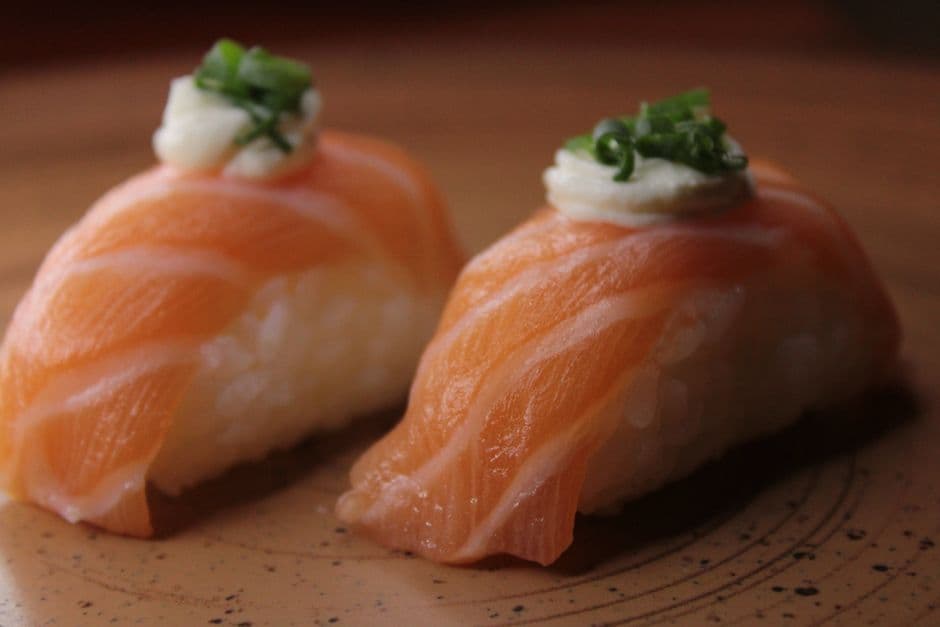
- Edomae sushi. Hand-pressed nigiri was invented in Edo in the early 1800s and sold from street stalls as fast food. The Edomae technique of curing, marinating and lightly cooking the fish comes from that era, before refrigeration. It is still what separates a serious Tokyo counter from a conveyor belt.
- Shoyu ramen. Tokyo's house style is a clear soy-seasoned broth built on chicken and dashi, lighter than the pork bone tonkotsu of Fukuoka. Order it before you order anything richer.
- Tsukemen. Dipping noodles, served cold alongside a concentrated hot broth, are credited to Kazuo Yamagishi at Higashi-Ikebukuro Taishoken. Ikebukuro is still the natural place to eat them.
- Soba. Buckwheat noodles were Edo's everyday food long before ramen arrived. Eaten cold with a dipping sauce at a good shop, soba is the cheapest genuinely great meal in the city.
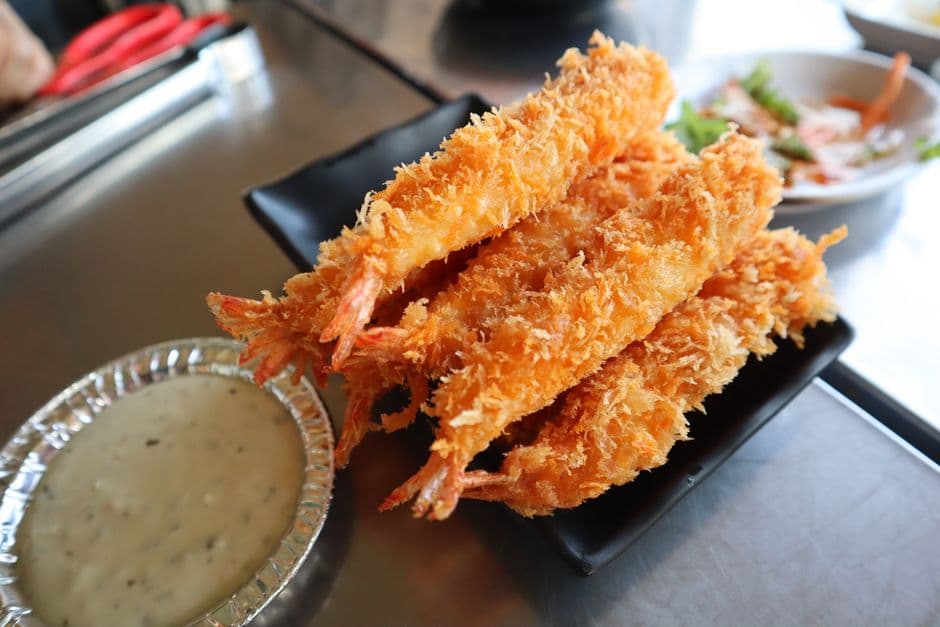
- Tempura. Another Edo street food, now served as a counter course where the chef fries each piece in front of you and you eat it within seconds. The gap between a tempura counter and tempura from a bento box is enormous.
- Unagi. Freshwater eel, split down the back in the Kanto style, steamed and then grilled with a sweet soy glaze. Old Asakusa and Nihonbashi shops have been doing only this for generations.
- Tonkatsu. Breaded pork cutlet, and a genuine specialist category in Tokyo, with shops grading their pork by breed and region the way a steakhouse grades beef.
- Yakitori. Charcoal-grilled chicken, skewered by part. A proper yakitori-ya will serve cuts most Western menus never name, and it is one of the best-value sit-down meals in the city.
- Monjayaki. Tokyo's own griddle dish, a looser and more liquid cousin of Osaka's okonomiyaki, cooked at the table. Tsukishima has a street of it and almost nowhere else does.
- Yoshoku. The Meiji-era Japanese take on Western food: omurice, hayashi rice, Japanese curry, katsu sandwiches. It is the comfort food category, and old yoshoku dining rooms are a distinctly Tokyo experience.
Where to eat in Tokyo, neighborhood by neighborhood
Tokyo has no restaurant district, because it has about twenty of them. The useful question is not which area is best but which area suits the meal and the budget in front of you.
| Area | Best for | Rough dinner budget |
|---|---|---|
| Shinjuku | Sheer density: yakitori alleys, izakaya, ramen, department store food halls | 3,000 to 8,000 yen |
| Ginza | The top sushi counters and kaiseki rooms, and the best-value starred lunches | 3,000 at lunch, 20,000+ at dinner |
| Shibuya | Mid-range modern restaurants, bistros toward Daikanyama, tiny bars in Nonbei Yokocho | 4,000 to 8,000 yen |
| Tsukiji | Morning market food: tamagoyaki, grilled scallops, standing sushi | 1,500 to 4,000 yen |
| Asakusa | Old Tokyo specialists: tempura, unagi, century-old sweet shops | 2,000 to 6,000 yen |
| Ebisu and Nakameguro | Where Tokyo residents actually book dinner: small, good, unshowy | 5,000 to 10,000 yen |
| Ikebukuro | Ramen and tsukemen, plus a large and cheap izakaya scene | 2,000 to 5,000 yen |
| Shimokitazawa and Koenji | Curry, cafes and student-priced izakaya, roughly half central prices | 2,000 to 4,000 yen |
| Tsukishima | Monjayaki, on a street that serves little else | 2,500 to 4,000 yen |
Shinjuku is the default answer
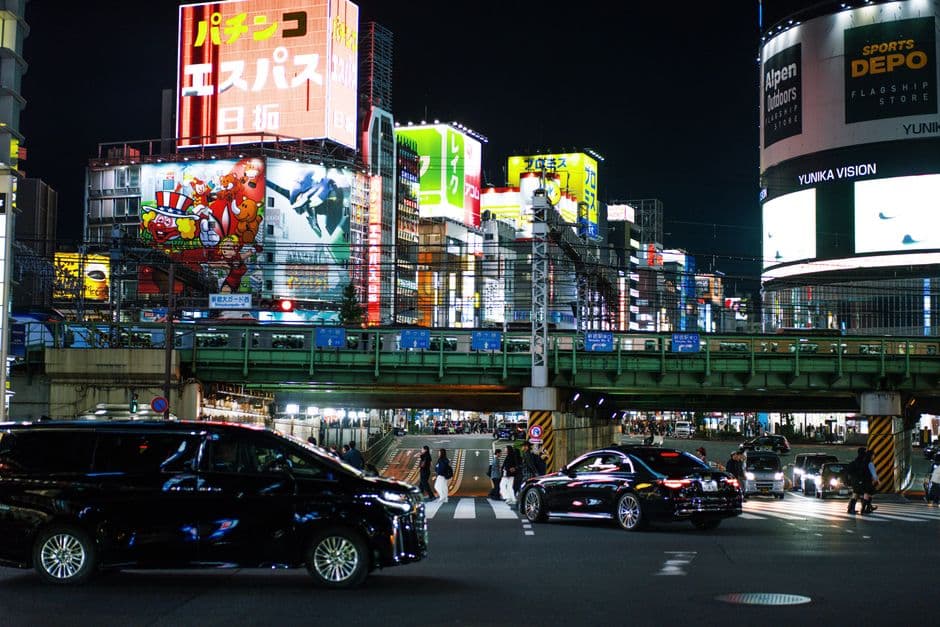
If there is only time to learn one area, learn Shinjuku. Omoide Yokocho, the narrow lane of grill counters on the west side of the station, is the compressed version of old Tokyo eating. Golden Gai, roughly two hundred bars across six alleys, is next door and holds about five people per room. Isetan's basement food hall is a few minutes east. All of that is inside one twenty minute walk.
Go residential for value
Prices drop sharply once you leave the transport hubs. Koenji, Shimokitazawa and Yanaka are ordinary residential neighborhoods with ordinary residential pricing, and the izakaya there charge close to half what an equivalent room in Shinjuku charges. The food is not worse. The rent is.
The best restaurants in Tokyo are far cheaper at lunch
This is the single most useful fact on this page. Many of the best restaurants in Tokyo, including starred ones, serve a lunch course from the same kitchen, with the same chef, at a fraction of the dinner price. A tempura, sushi or kaiseki lunch that costs 3,000 to 8,000 yen will often be the daytime version of a 20,000 to 40,000 yen dinner.
The ratio is most extreme in Ginza and Nihonbashi, where the rent forces high dinner prices and the lunch trade is competitive. It also solves the harder problem: lunch seats are far easier to book, often a week or two out rather than two months, and some counters take walk-ins at midday that they would never take at night.
The other reliable value tier is the restaurant floor at the top of a department store. Every major store has one, they are full of long-running specialist chains rather than food court outlets, and the set lunches run 1,500 to 3,000 yen. If you have arrived somewhere with no plan and no reservation, that is the fallback that never disappoints.
The best street food in Tokyo is markets, alleys and department store basements
Visitors expecting the street food of Bangkok or Taipei are usually surprised. Tokyo has very little food sold from carts on the street. Street vending is tightly licensed, and eating while walking is quietly discouraged, so the city's equivalent lives in four specific places.
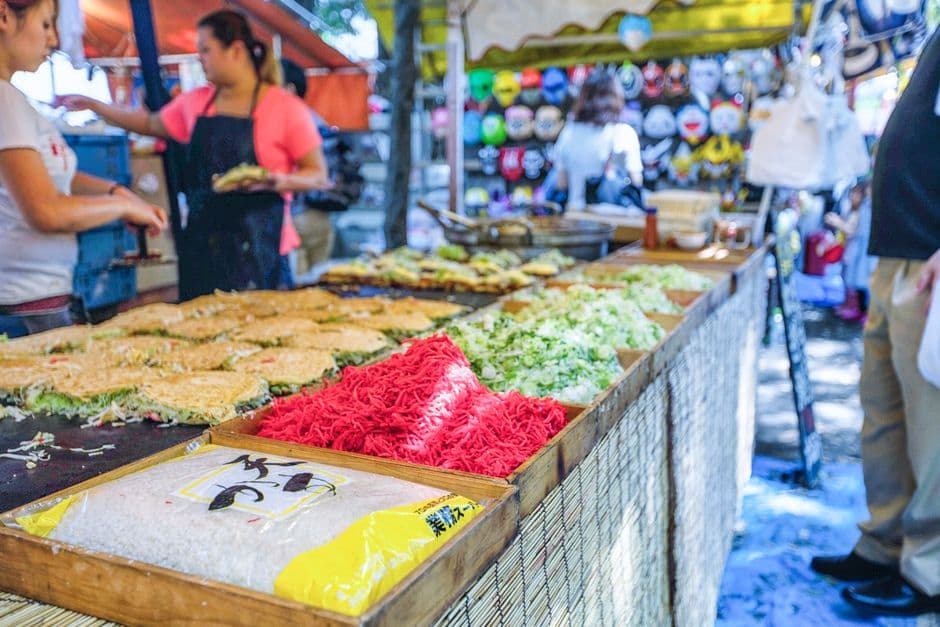
- Tsukiji Outer Market. The wholesale market moved to Toyosu in 2018, but the outer market of stalls and small shops stayed exactly where it was. Go before 10am for tamagoyaki, grilled scallops, uni and standing sushi.
- Ameya-Yokocho. The market strip under the tracks between Ueno and Okachimachi, cheaper and rougher than Tsukiji, with standing bars that open in the afternoon.
- Yokocho alleys. Omoide Yokocho in Shinjuku and Nonbei Yokocho in Shibuya are the postwar drinking lanes: counters of six to ten seats, grilling over charcoal, no menu in English at some of them and no problem either.
- Depachika. The basement food halls of the department stores are the part almost no guide takes seriously enough. Isetan in Shinjuku, Mitsukoshi in Ginza and Takashimaya in Nihonbashi run floors of prepared food, bento, sweets and regional specialties at a standard that would be a destination restaurant elsewhere. It is takeout, it is cheap, and it is arguably the best eating-on-your-feet in the city.
For a broader comparison of how Tokyo stacks up against the cities built around eating outdoors, the street food cities roundup looks at what two 2026 global rankings actually measured. And if street food specifically is the reason for the trip, Osaka is two and a half hours away by Shinkansen and is the country's answer to the question.
Tokyo has 160 starred restaurants, not the 200-plus figure still quoted
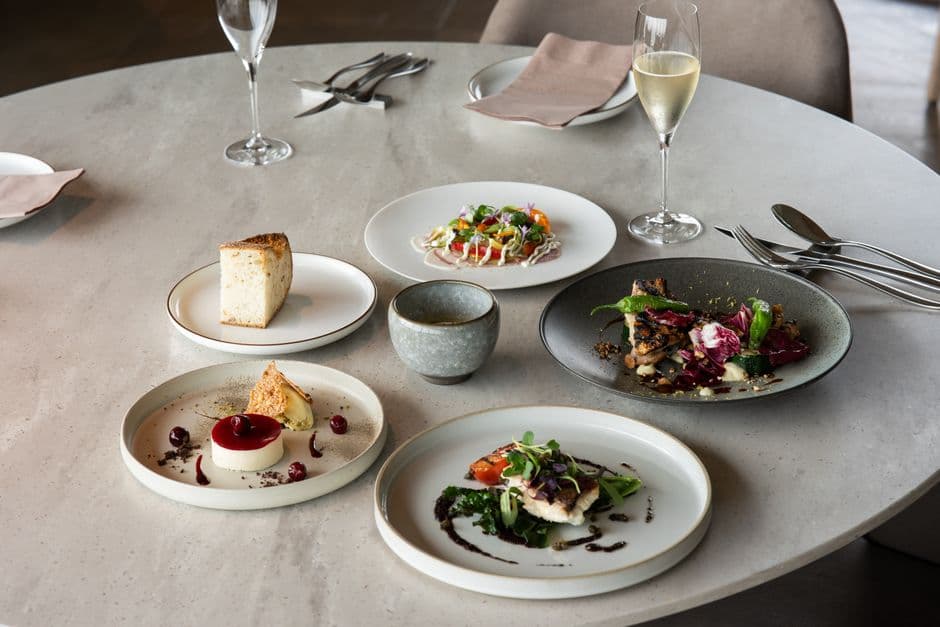
The Michelin Guide Tokyo 2026 lists 12 three-star, 26 two-star and 122 one-star restaurants: 160 starred restaurants in total. That is still more than any other city in the world, and it is worth stating precisely because the figures repeated across travel sites, usually 200-plus or 230, are from the guide's peak years and are now out of date.
Two things matter more than the headline count. The first is that Michelin's Tokyo selection reaches much further down the price scale than it does in Europe. A ramen shop, Japanese Soba Noodles Tsuta, became the first in the world to be awarded a star in December 2015. It no longer holds one, which is the second point: stars move, and a guide article calling a shop Michelin-starred may be describing an award it lost years ago.
For a normal budget, the Bib Gourmand list is the more useful document. In Japan it marks good cooking at 5,000 yen or less, which covers a large share of the tonkatsu, soba, yakitori and ramen shops worth crossing the city for. PlaceSets keeps a hand-checked list of 89 Tokyo restaurants spanning both ends of that range.
What eating in Tokyo actually costs
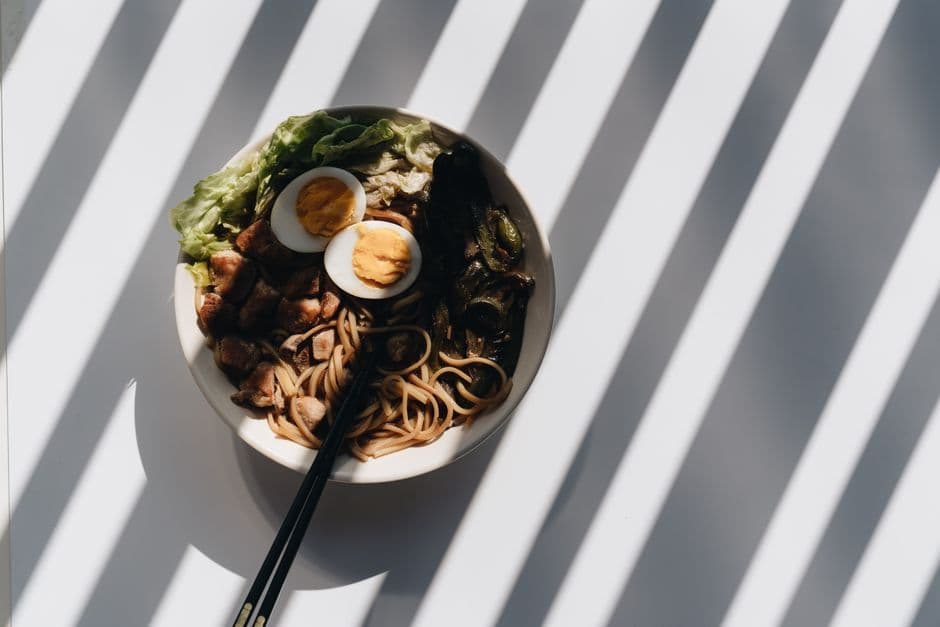
Tokyo is cheaper to eat in than London, Paris or New York at every level below fine dining, and the gap is largest at the bottom. Prices on menus already include consumption tax, which has been a legal requirement since 2021, and there is no tip to add.
| Meal | Typical price | Notes |
|---|---|---|
| Convenience store breakfast | 300 to 600 yen | Genuinely good, not a compromise |
| Standing soba or a beef bowl | 450 to 900 yen | Ticket machine, five minutes, no seat |
| Ramen | 900 to 1,500 yen | Plus 100 to 300 for extra toppings |
| Teishoku set lunch | 900 to 1,500 yen | Main, rice, miso soup, pickles |
| Department store restaurant floor | 1,500 to 3,000 yen | The reliable no-reservation option |
| Starred lunch course | 3,000 to 10,000 yen | The same kitchen as the 30,000 yen dinner |
| Izakaya dinner with drinks | 3,000 to 6,000 yen | Add 300 to 700 per person for the cover dish |
| Mid-range dinner | 5,000 to 8,000 yen | Most neighborhood restaurants sit here |
| Omakase sushi dinner | 15,000 to 40,000 yen | Book weeks ahead |
| Three-star tasting menu | 30,000 to 60,000 yen | Book one to three months ahead |
As a daily figure: around 3,500 yen a day covers convenience store breakfasts, cheap lunches and izakaya dinners. Around 7,500 is a comfortable middle, with a proper sit-down meal each day. Somewhere near 18,000 a day is the number if eating is the point of the trip and one meal a day is a serious one.
How booking works, and when you can just walk in
Tokyo dining splits cleanly in two, and confusing the halves is what produces both missed reservations and needless anxiety.
Walk in. Ramen, soba, udon, tonkatsu, curry, gyudon, most izakaya, department store restaurant floors and the large majority of neighborhood restaurants take no reservations at all. Turning up is the correct move. Expect to queue at the well-known ramen shops, sometimes for an hour.
Book, and book early. Famous sushi counters, kaiseki rooms, starred restaurants and any kitchen with six to ten seats need one to three months. Some of the most sought-after counters do not take direct bookings from new customers at all, and are reachable only through a hotel concierge or an existing regular. That is the actual system rather than a rumor, and a good hotel concierge is the practical route into it.
For everything else, Tabelog is the reservation layer most restaurants use, with TableCheck, Pocket Concierge and OMAKASE covering much of the high end. Cancellations are released back onto these platforms constantly, so checking again a few days out is worth more than most people assume.
How to judge a Tokyo restaurant you have never heard of
Most of the good places in Tokyo are not on any English list, so the more useful skill is reading the ones in front of you. Two signals do most of the work.
Read Tabelog, not Google. Tabelog is the review site Japanese diners actually use, and its scale is compressed in a way that trips up everyone reading it for the first time. Scores are weighted by reviewer history rather than averaged, they are clustered around the low threes, and they very rarely pass 4.0. A 3.5 is a genuinely good restaurant. A 3.7 is excellent. Anything at 4.0 or above is a nationally known kitchen. A Google Maps rating of 4.5 for the same shop tells you much less, because in central Tokyo that sample is heavily weighted toward visitors rating the experience rather than the food. Tabelog also publishes an annual award list in Bronze, Silver and Gold tiers, which is the most useful shortlist that exists for the price band below fine dining.
Read the queue and the menu. A line of local office workers at 12:15pm is the most reliable endorsement in the city, and it moves fast because those people have an hour. A menu with fewer than six items is usually a specialist, which in Tokyo is a good sign rather than a limitation. A menu in six languages with photographs of every dish, in a location with heavy footfall, is the opposite signal here as it is everywhere else.
Ticket machines, otoshi and cash: the mechanics that catch visitors out
- Ticket machines come first. At ramen, soba and beef bowl shops, order and pay at the vending machine by the door, then hand the ticket to the staff. Most now have an English button. Sitting down and waiting for a server will not work.
- Otoshi is a seat charge, not a scam. Sit down at an izakaya and a small dish nobody ordered will arrive, along with a 300 to 700 yen per person charge on the bill. It is the Japanese equivalent of a cover charge, it is standard, and it is not optional. This is the most common source of confusion on a Tokyo restaurant bill.
- Carry cash. Cards work far more widely than they did a few years ago, but small ramen shops, old izakaya and market stalls are still cash only. Keep 10,000 yen on you; 7-Eleven ATMs accept foreign cards.
- Do not tip. Not at restaurants, not in taxis, not for good service. Leaving money on the table causes confusion rather than pleasure, and staff will often chase you down the street to return it.
- Kitchens close in the afternoon. A great many restaurants shut between roughly 2pm and 5pm. A 3pm arrival in an unfamiliar neighborhood usually means a convenience store lunch.
- Eating alone is normal. Counter seats are the default rather than the consolation prize, and solo diners get the same treatment as anyone else. Some of the best rooms in the city are counters only.
Vegetarian, vegan, halal and gluten free in Tokyo
Tokyo is harder for restricted diets than its size suggests, and the reason is almost always dashi. Bonito stock is in miso soup, in most noodle broths, in simmered vegetables and in a large share of sauces, so a dish with no visible meat or fish is usually still not vegetarian. Asking whether something contains meat will not surface it. The restriction has to be stated as dashi, in writing, in Japanese.
The reliable answer is shojin ryori, the Buddhist temple cuisine that is vegan by construction and served at dedicated restaurants around the older temple districts. Beyond that, Tokyo now has a real vegan scene rather than a token one: dedicated vegan ramen shops, including the long-running T's TanTan inside Tokyo Station, plus vegan bakeries and cafes concentrated in Shibuya, Nakameguro and Shimokitazawa.
Halal-certified restaurants exist in useful numbers around Shinjuku, Shin-Okubo and Asakusa, including halal ramen and halal wagyu, though they need looking up rather than stumbling into. Gluten is the quietest problem: Japanese soy sauce is brewed with wheat, which rules out most ramen, tempura batter, teriyaki and anything glazed. Rice dishes, sashimi and plain grilled food are the safe categories, and tamari is the wheat-free soy sauce to ask for by name.
Three days of eating in Tokyo, in order
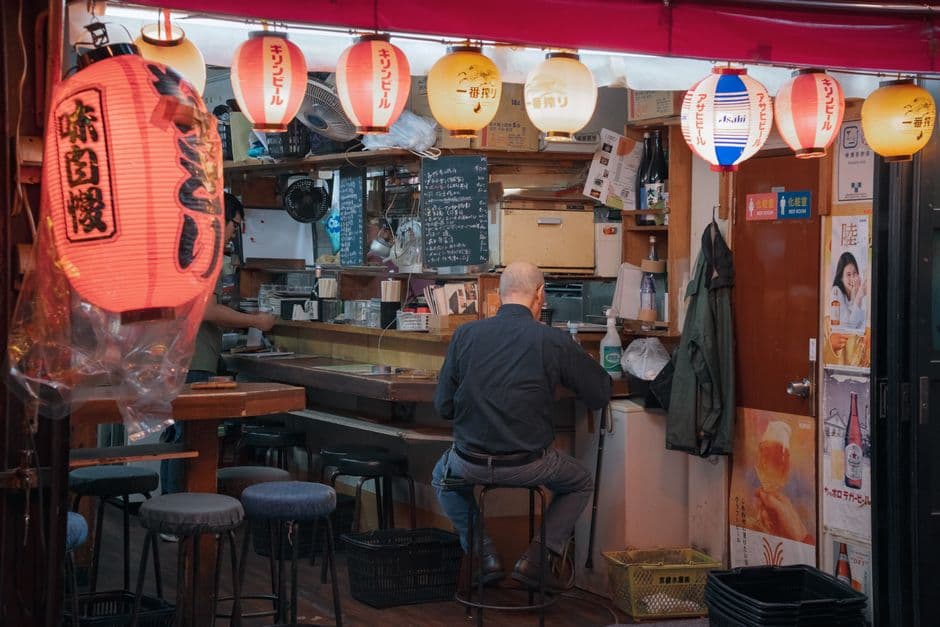
Day one. Start at Tsukiji Outer Market before 10am and graze: tamagoyaki, grilled scallops, a standing sushi counter. Take the best set lunch you were able to book in Ginza, or default to a department store restaurant floor there. Finish with yakitori in Omoide Yokocho and a drink in Golden Gai, which is a two minute walk away.
Day two. Go to Asakusa for the old specialists, tempura or unagi at a shop that has done nothing else for a century, with snacks along Nakamise-dori on the way. Spend the afternoon at Ameya-Yokocho in Ueno, which is one stop away. Have dinner in Ebisu or Nakameguro at a small neighborhood restaurant, which is where Tokyo residents eat when they are not entertaining anyone.
Day three. Cold soba for lunch at a proper soba shop in Kanda or Asakusa. Spend an hour in a depachika, at Isetan Shinjuku or Mitsukoshi Ginza, and buy more than you need. Then take the one meal you booked in advance, whether that is an omakase sushi counter or a kaiseki room, and give it the whole evening.
A fourth day belongs to monjayaki in Tsukishima and a ramen shop worth queuing for. A fifth is enough for a Shinkansen day trip to Osaka and back, which is a different food city with a different argument.
Book the one dinner that needs booking, take the rest at lunch, and spend the gaps in market alleys and department store basements. Tokyo rewards showing up at the right hour far more than it rewards spending more money.
Eating elsewhere on the same trip? There are hand-checked lists for every city we cover, built the same way.
Best food in Tokyo: common questions
- What food is Tokyo famous for?
- Edomae sushi above all, since hand-pressed nigiri was invented in Edo in the early 1800s. Beyond that: shoyu ramen, tsukemen, cold soba, tempura, unagi, tonkatsu, yakitori and monjayaki, which is Tokyo's own griddle dish and is mostly found in Tsukishima.
- How much does food cost per day in Tokyo?
- About 3,500 yen a day covers convenience store breakfasts, cheap lunches and izakaya dinners. Around 7,500 yen is a comfortable middle with one proper sit-down meal a day. Near 18,000 yen a day is the figure if eating is the point of the trip. Menu prices already include tax and there is no tip.
- Do you need reservations for restaurants in Tokyo?
- Not for most meals. Ramen, soba, tonkatsu, curry, izakaya, department store restaurant floors and the majority of neighborhood restaurants take walk-ins only. Reservations matter for famous sushi counters, kaiseki rooms, starred restaurants and any kitchen with six to ten seats, which need one to three months and are sometimes only reachable through a hotel concierge.
- What is the best area in Tokyo for food?
- Shinjuku, if you only learn one. Omoide Yokocho's grill counters, the bars of Golden Gai and Isetan's basement food hall are all inside a twenty minute walk. Ginza has the highest concentration of top-end sushi and kaiseki, and Ebisu and Nakameguro are where Tokyo residents book their own dinners.
- How many Michelin star restaurants does Tokyo have?
- The Michelin Guide Tokyo 2026 lists 160: 12 three-star, 26 two-star and 122 one-star. That is more than any other city. The 200-plus and 230 figures still repeated on travel sites are from the guide's peak years and are out of date.
- Is it rude to tip in Tokyo?
- Tipping is not done in Japan, in restaurants, taxis or hotels. It is not treated as rude so much as confusing, and staff will often chase you down the street to return money left on a table. Good service is included in the price, and the price on the menu is the price you pay.
- What is the small dish I did not order at an izakaya?
- That is otoshi, a compulsory small dish that comes with a per-person seat charge of roughly 300 to 700 yen. It is the Japanese equivalent of a cover charge, it is standard practice at izakaya, and it is not optional. It is the most common reason visitors think they have been overcharged.
- Is Tsukiji market still worth visiting?
- Yes. The wholesale market moved to Toyosu in 2018, but the Tsukiji Outer Market of stalls and small shops stayed where it was and is still the best morning eating in the city. Go before 10am for tamagoyaki, grilled scallops, uni and standing sushi.