
Where to Eat in Lisbon, Neighborhood by Neighborhood

Where to eat in Lisbon is mostly a question of which neighborhood you are standing in and what time it is. This is not one food city. It is six areas doing six different jobs, and once you know which does what, you can eat brilliantly for 15 euros or spectacularly for 150 without ever landing on the tourist version by accident.
The bad meals here are not hidden. They are on the squares with the best views, with laminated menus in four languages and a man outside telling you the fish is fresh. Everything below is the other Lisbon: where locals actually eat, what to order once you sit down, and the handful of rules that separate a good week of eating from an expensive one.
Four rules that decide whether you eat well in Lisbon
Learn these before you learn a single restaurant name. They will save you more money than any list.
Lisbon eats late. Lunch runs 1pm to 3pm, dinner 8pm to 10pm. A dining room that is full at 7pm is full of visitors, which means the kitchen is cooking for people who will never come back. Book for 8:30pm. The room is better and so is the food.
The couvert is not a scam. Bread, olives, a disc of cheese and a pot of sardine pate arrive before you order anything. You did not ask for it and you will be charged for it, usually 2 to 5 euros a head. That is normal and legal. If you do not want it, say no thank you and it goes back unbilled. If you eat one olive, you are paying for the plate.
The view costs you the meal. Almost without exception, the restaurants with a castle panorama or a terrace over the Tagus are the worst value in the city. The best meal you eat in Lisbon will probably be a plate of grilled fish in a tiled room with no view at all, under strip lighting, next to a table of men arguing about football.
Book the big rooms, walk into the small ones. Michelin tables need two to four weeks. Popular mid-range kitchens need a day or two. Tascas and the old seafood halls do not take bookings at all, so you go early, you go late, or you queue. Planning around that one fact fixes most Lisbon dinner disasters.
| Neighborhood | What it is for | Dinner per head |
|---|---|---|
| Chiado | The proper sit-down dinner, fine dining | 35 to 60 euros |
| Bairro Alto | Late petiscos, then a long night out | 20 to 35 euros |
| Cais do Sodre | First night, market food, cocktails | 15 to 30 euros |
| Alfama and Mouraria | Old tascas, grilled fish, best value | 10 to 20 euros |
| Principe Real, Estrela, Lapa | Modern kitchens and tasting menus | 40 to 150 euros |
| Belem | One pastry, then leave | Under 10 euros |
Chiado and Bairro Alto are for a proper sit-down dinner
Chiado is the one neighborhood where the expensive choice is usually the right one. It is where Belcanto sits behind an unmarked door: Jose Avillez’s two-Michelin-star flagship, 38th on the World’s 50 Best list in 2024, and the single most convincing argument that Portuguese fine dining is not a French tribute act. Book it three weeks out or do not bother.
Two streets away, Taberna da Rua das Flores does the opposite thing just as well. Twenty-odd seats, no reservations, and a chalkboard of petiscos that changes with whatever came in that morning. Get there when it opens or accept that you are queueing. Order what is chalked, not what you recognize.
Bairro Alto is the trickier one. By day it is shuttered and slightly grim. By 10pm the streets are a party and the food quality drops in direct proportion to how loud it gets. So eat first. 100 Maneiras is Ljubomir Stanisic’s one-star tasting menu and the most theatrical meal in the neighborhood. Tasca do Manel is the other end of the same street in spirit: Portuguese classics, plastic tablecloths, a bill that will make you laugh. Both are correct answers. Nothing between them is.
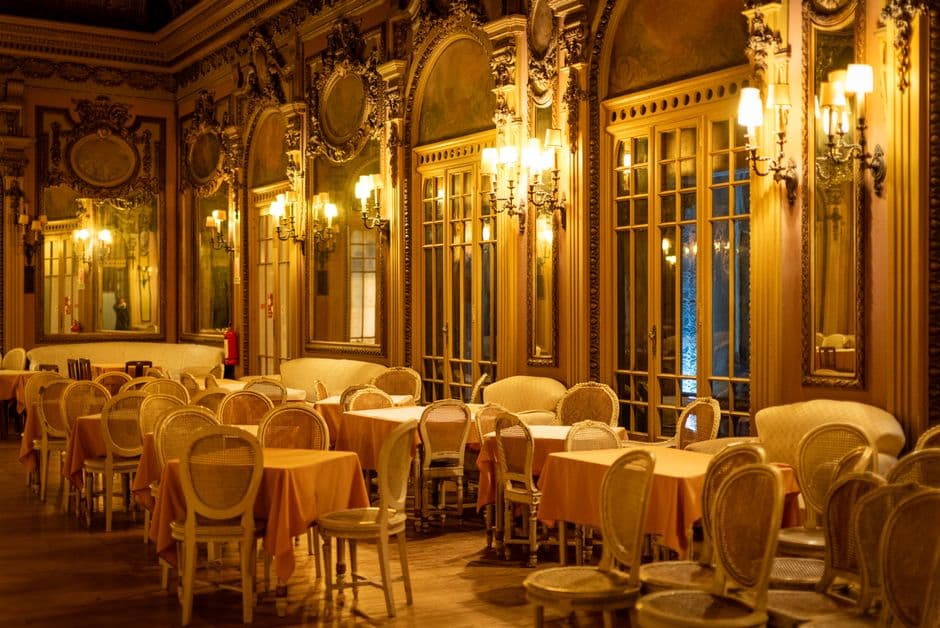
One local habit worth stealing: dessert is a separate trip. After dinner in Chiado, walk to Landeau and order the chocolate cake. It is the only thing they sell, which tells you everything about how good it is.
Cais do Sodre is a first night, and Time Out Market is fine exactly once
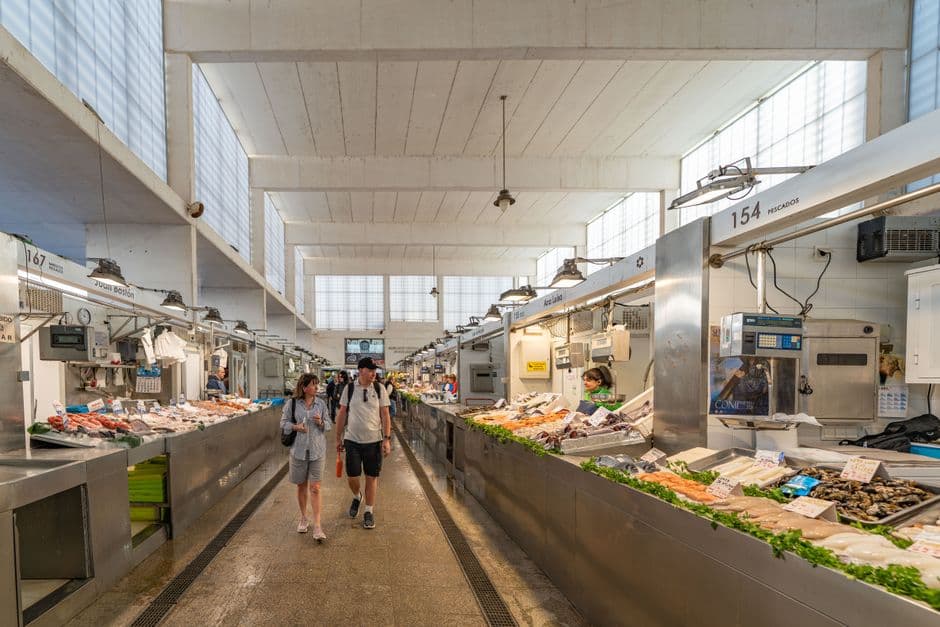
Time Out Market gets recommended so relentlessly that it is worth being precise about what it is good for. It is a covered hall where a couple of dozen serious Lisbon chefs run counters, so you can eat something from a proper kitchen without a reservation, at 11pm, having landed at 9. That is a genuinely useful thing on your first night.
It is also loud, packed from noon onward, and you will spend fifteen minutes hovering behind strangers waiting for a bench seat. Go early, go once, and do not spend one of your real dinners there.
The neighborhood around it is better than the market. On Rua Nova do Carvalho, the pink-painted street, Sol e Pesca is a former fishing tackle shop that now serves canned fish, bread and wine, and it is a much more Portuguese experience than it has any right to be. Order the sardines in spicy tomato sauce, the tinned mackerel, and stop apologizing for eating from a can. Conservas are a national craft here, not a shortcut.
Alfama and Mouraria do the tourist version well, if you pick right
Alfama is the postcard: laundry lines, tiled facades, a tram wheezing uphill. It is also where the worst-value meals in Lisbon are served, because a million people a year walk past and none of them come back. The trick is to ignore anything with an outdoor menu board.
O Velho Eurico is the counter-argument. A revived neighborhood tasca doing modern petiscos with proper technique at tasca prices, and it is now busy enough that you queue for it. Nearby, Miss Can serves conservas in a small tiled room and closes in the early evening, which makes it a lunch, not a dinner.
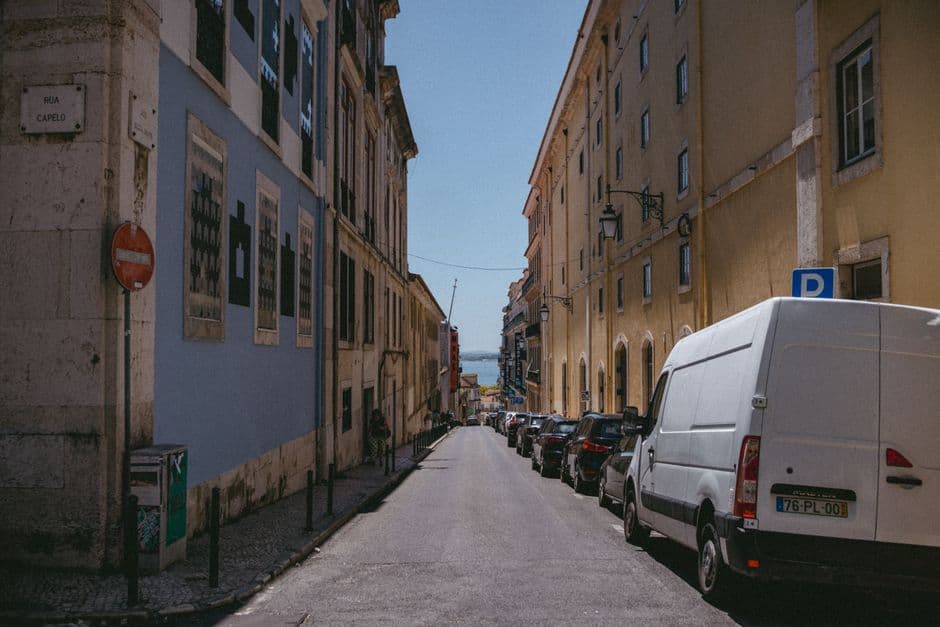
Walk twenty minutes north into Mouraria and the prices fall off a cliff. This is the immigrant heart of the city and the best value eating in it. O Ze da Mouraria serves portions sized for construction workers, which in practice means one main between two people plus a starter. Go for lunch. Go early. Bring cash.
On fado: do not eat dinner in a fado house. You are paying a premium for mediocre food in order to sit near the music. Eat properly first, then go and listen.
Principe Real, Estrela and Lapa hold the modern kitchens
If you are giving Lisbon one big meal, this is where to spend it. The new generation of Portuguese chefs did not open in the tourist center. They went up the hill.
- Loco in Estrela: Alexandre Silva’s one-star tasting menu, the most avant-garde cooking in the city, and the one that will surprise you most if you think you already know Portuguese food.
- CURA in Lapa: Pedro Pena Bastos cooks produce-led, precise, quietly technical food. Less theater than Loco, arguably more discipline.
- Prado in Baixa: Antonio Galapito’s farm-to-table room with a natural wine list, no stars and no interest in getting one. The best value serious cooking in Lisbon.
- Tascardoso in Principe Real: the counterweight. Grilled meat and fish at a tiled counter for the price of a sandwich elsewhere in the neighborhood.
Prices at the top end still make no sense to anyone arriving from Paris or Copenhagen. A Michelin tasting menu here starts around 150 euros before pairings, which buys you a mid-range dinner in most other European capitals. If you have been saving a splurge for the right city, this is it. You can see the current stars on the Michelin Guide listing for Lisbon, which is worth checking before you book, since the list moves.
The best seafood in Lisbon is not all at Cervejaria Ramiro
Cervejaria Ramiro earns its reputation. Tiger prawns the size of your thumb, garlic clams, percebes if you are brave, and a prego steak sandwich at the end as dessert, which is the house rule and not a joke. It takes no reservations, so the choice is a 3pm lunch, an 11pm dinner, or an hour on the pavement. It is worth one of those.
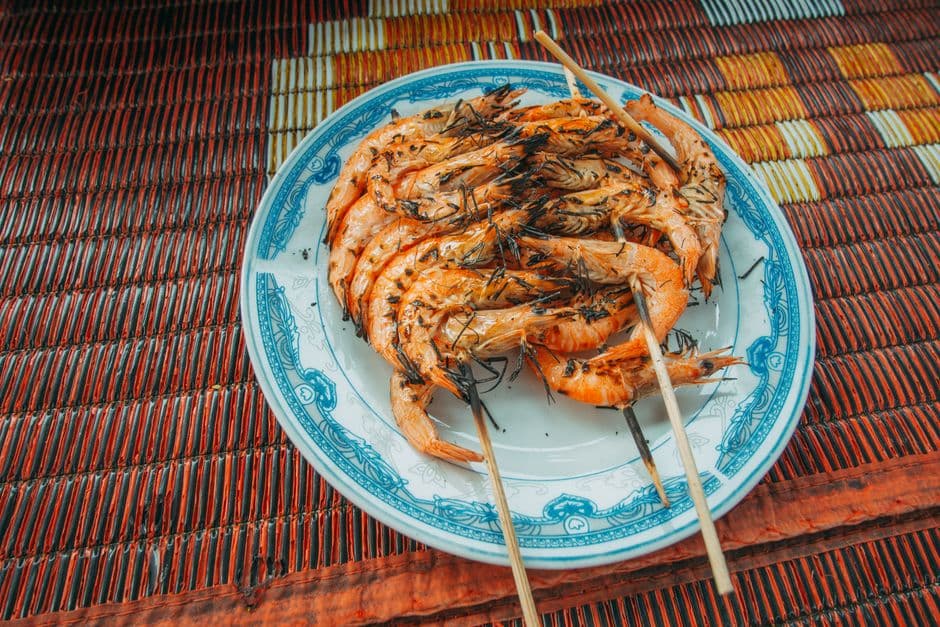
It is not the only cervejaria worth your evening. Solar dos Presuntos has been doing Minho cooking, presunto and shellfish off Avenida da Liberdade since 1974, and the walls of signed photographs are not decoration, they are a record. Nunes Real Marisqueira out in Belem is where people go when Ramiro is three deep at the door, and the fish is every bit as good.
For the best version of this, get on a boat. Ponto Final sits on the far bank in Cacilhas, a twenty-minute ferry from Cais do Sodre, with tables set on a concrete jetty and the whole Lisbon skyline in front of you. It is the one view restaurant in this guide that is actually good. Book it, because everyone has now worked that out.
What to eat in Lisbon when you are not eating dinner
The best food in Lisbon is not all served at tables. A lot of it is eaten standing up, in under four minutes, for less than four euros.
The bifana is the one to learn. Thin pork cutlets simmered in garlic and white wine, jammed into a bread roll, mustard optional and encouraged. Bifanas do Afonso near the cathedral does the version people cross town for; Cafe Beira Gare by Rossio station does the version people eat before catching a train, and it is nearly as good for about five euros.
In summer, follow the smoke. Grilled sardines are in season roughly June to October, they are cooked on street grills all over the city during the June festivals, and they are eaten on bread with your hands. Out of season, the locals switch to the tinned ones and so should you.
Finish the night with ginjinha, the sour cherry liqueur poured into shot glasses at standing bars around Rossio. Ginjinha Sem Rival charges about 1.50 euros. Ask for it com elas and you get the boozy cherries in the bottom of the glass.
The pastel de nata argument has a correct answer

Manteigaria makes the best pastel de nata you can actually eat every day. It comes out of the oven every few minutes, blistered black on top, the pastry so thin it shatters, and there is a branch near wherever you happen to be standing. Cinnamon at the counter, eat it there, do not take it away.
Pasteis de Belem is the original, made to a monastery recipe from 1837, and it is a different pastry: softer, creamier, unmistakably older in style. It is worth the trip once, and part of what you pay is queueing. Do that on the morning you are already going to Belem for the monastery, and do not build a day around it.
Anyone who tells you the two are the same has eaten one of them cold.
Vegan restaurants in Lisbon stopped being an apology
Traditional Portuguese cooking is a difficult place to be vegan. Everything good has pork in it, or cod, or both. Ten years ago the honest advice was to eat bread. That advice is now out of date.
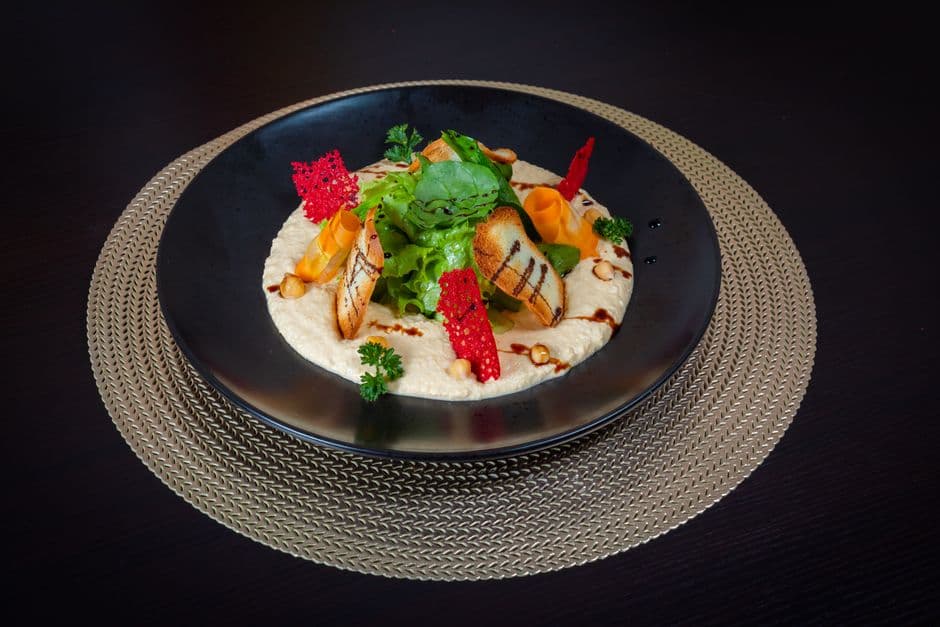
Ao 26 Vegan Food Project in Chiado is the one to book. Open since 2016, it takes the national canon and rebuilds it: seitan bifana, tofu a lagareiro drowned in garlic and olive oil, francesinha without the meat. It is the rare vegan restaurant that a committed carnivore leaves impressed rather than tolerant. Reserve, because the room is small.
The Food Temple in Mouraria is the older institution and the more interesting room. The menu changes constantly, the format is a soup plus a few small plates plus a main shared between two, and the whole thing feels like eating at someone’s house on a street where nobody is trying to sell you a tuk-tuk tour.
Three days of eating in Lisbon, in order
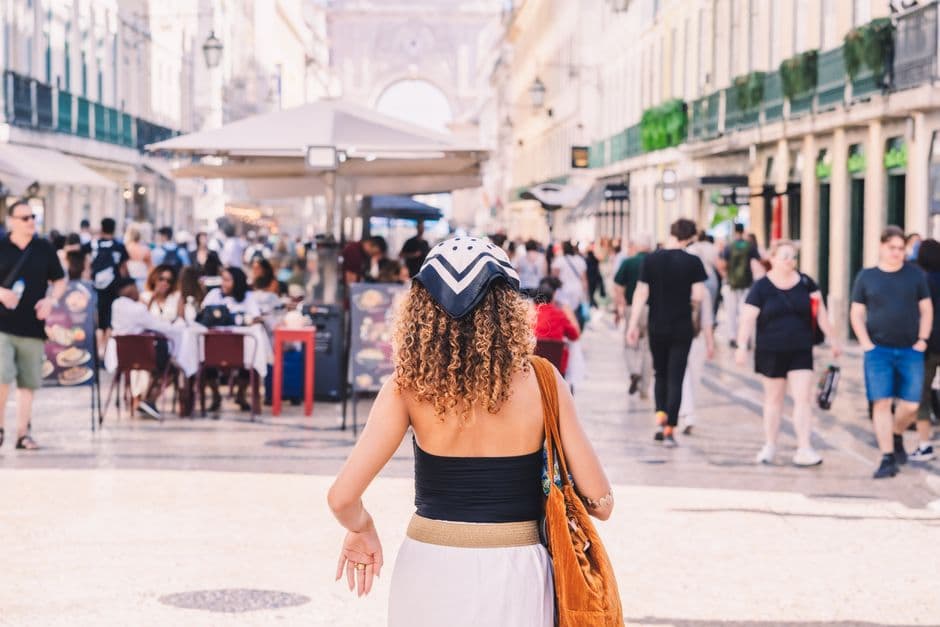
Day one. Land, drop bags, walk to Time Out Market and eat something from a counter while you get your bearings. Cross into Cais do Sodre for conservas and wine at Sol e Pesca. Finish with a ginjinha near Rossio. Nothing today requires a booking, which is the point.
Day two. A Manteigaria pastel de nata and a bica for breakfast. Lunch in Mouraria at O Ze da Mouraria, early, sharing. Afternoon in Alfama, and if you get hungry again, conservas at Miss Can. Dinner is the big one: Chiado, booked in advance, 8:30pm. Chocolate cake at Landeau afterward if you can still stand.
Day three. Belem in the morning for the monastery and one Pasteis de Belem, in that order. Ferry over to Cacilhas for a long late lunch at Ponto Final with the skyline in front of you. Come back across the water and have a bifana standing up as your last meal in the city. That is the right last meal.
If you have a fourth day, spend it eating seafood at Ramiro at 3pm when the queue has gone. If you have a fifth, take the train north and do the same exercise in Porto, which has its own hand-checked list.
Book the one big room three weeks out, walk into everything else, eat later than feels natural, and refuse the couvert only if you genuinely do not want it. Do that and Lisbon is the best value food city in Western Europe, which it quietly has been for years.
Going somewhere else first? There are hand-checked lists for every city we cover, and the same rule applies in all of them: the view costs you the meal.
Where to eat in Lisbon: common questions
- What is the best area to eat in Lisbon?
- Chiado for a proper sit-down dinner, Cais do Sodre for a loud first night, and Mouraria or Alfama for old tascas at half the price. If you only get one dinner, book it in Chiado or Principe Real and spend the rest of your eating in Mouraria.
- What time do people eat dinner in Lisbon?
- Lunch runs from about 1pm to 3pm and dinner from 8pm to 10pm. A restaurant that is full at 7pm is full of tourists. Book for 8:30pm or later and you will be eating with locals, in a room that has warmed up.
- Do I need to book restaurants in Lisbon?
- For anything with a Michelin star, book two to four weeks out. For popular mid-range places, a day or two is usually enough. Tascas and Cervejaria Ramiro do not take bookings at all, so you go early or you queue.
- What is the couvert and do I have to pay for it?
- The couvert is the bread, olives, cheese and sardine pate that lands on your table before you order. It is not free and it is not a scam. If you do not want it, say no thank you and it goes back, unbilled. If you eat one olive, you pay for the plate.
- Where is the best pastel de nata in Lisbon?
- Manteigaria makes the best one you can eat every day: hot, blistered on top, shatteringly thin pastry, and there is a branch near wherever you are standing. Pasteis de Belem is the older recipe and worth the trip once, though you are paying part of the price in queueing.
- Is Time Out Market worth visiting?
- Once, early, on your first day. It is a genuinely good sampler of city chefs under one roof, and it is also loud, packed and short on tables from noon onward. Treat it as an introduction, not as one of your real dinners.
- How much does dinner cost in Lisbon?
- A tasca lunch with soup, a main and coffee runs about 10 to 15 euros. A good mid-range dinner with wine lands between 30 and 45 euros a head. Michelin tasting menus start around 150 euros before pairings, which is still cheaper than the same cooking in Paris or Copenhagen.
- What food is Lisbon known for?
- Grilled fish and shellfish, salt cod in a hundred preparations, the bifana pork sandwich, grilled sardines in summer, and the pastel de nata. Add ginjinha, the sour cherry liqueur poured in shot glasses at standing bars around Rossio.