
Best Restaurants in Florence, Italy: The Rules Behind the List
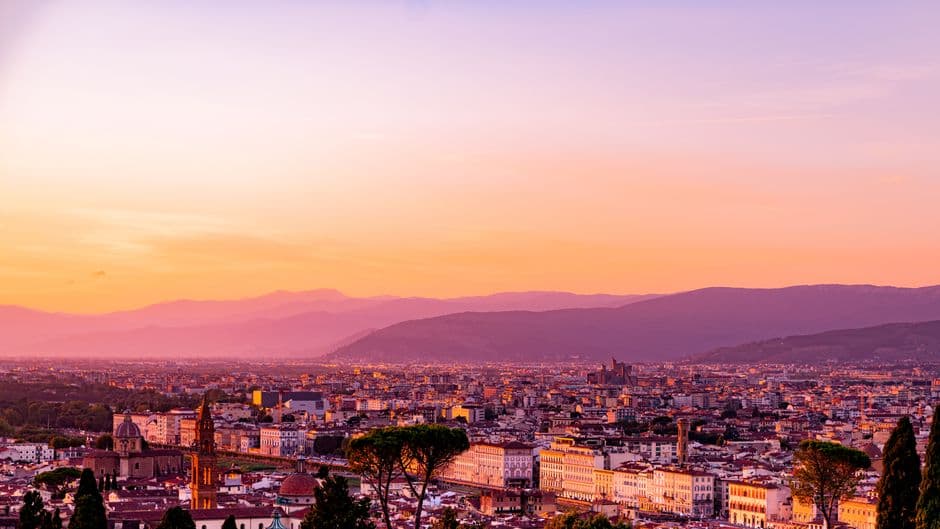
Most guides to the best restaurants in Florence, Italy give you a list of twenty names and leave you to it. The names are usually right. What nobody tells you is that eating in this city is governed by an unusual amount of actual law, and that three specific rules decide more about your week than any ranking does.
Florence made its own signature dish illegal for nearly five years. It has banned any new restaurant from opening in its historic center until 2031. And there are four streets where sitting down with a sandwich at lunchtime can cost you a few hundred euros. All three are real, all three are current, and all three are more useful than another sentence about how the pasta is handmade.
So this guide does both halves. Below are the rooms worth your evenings, by kind rather than by star count, plus the mechanics that decide what the bill says. None of the four highest ranking Florence food guides we read while writing this mentions any of the three rules. (We checked twice, in case we were being unfair. We were not.)
The bistecca alla fiorentina was illegal for nearly five years, and the ban is why the rules are strict
In February 2001 the European Union's standing veterinary committee responded to the mad cow crisis by banning the sale of beef on the bone from cattle over twelve months old. The bistecca alla fiorentina is a T-bone. The T is a piece of backbone. Florence's defining dish was, in the most literal sense available, outlawed from April 2001, and it stayed that way until the age limit was lifted to twenty four months at the end of 2005.
The city took this about as well as you would expect. Dario Cecchini, the butcher at Panzano in Chianti, about thirty miles south, held a funeral for the steak, then auctioned off his last two hundred of them to a crowd reported at six thousand people, raising more than fifty thousand dollars for a children's hospital in Florence. It is the only case we know of a town burying a cut of meat with honors and then passing the hat.
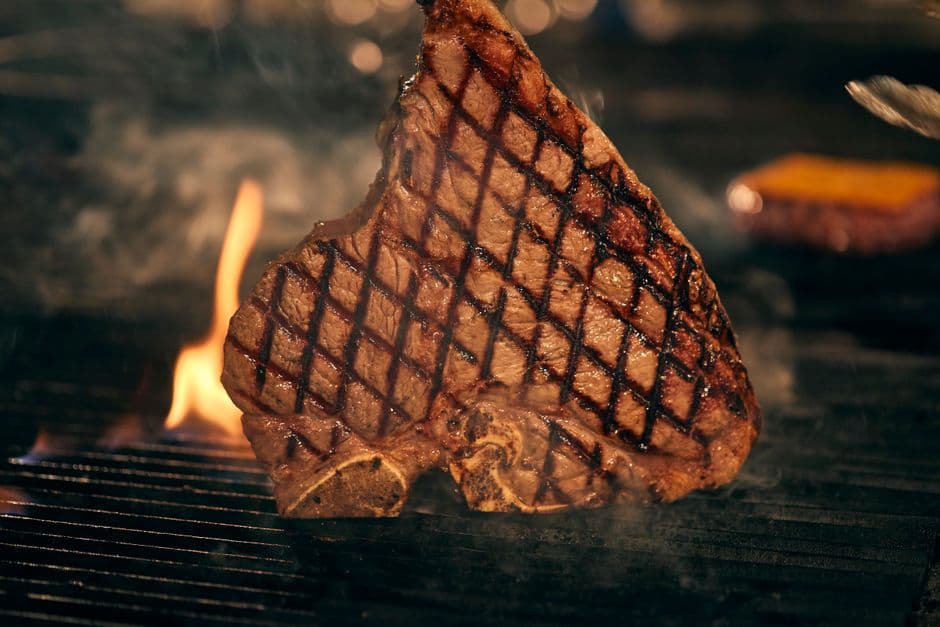
That story is not filler, because the terms of the ban are exactly the terms that define the dish. A real bistecca is defined by its bone and by the animal it came from, which is why the rules around it are specific rather than romantic:
- The beef is Chianina, or the closely related local breeds, sold as vitellone or scottona.
- The cut is a T-bone from the loin, three to four fingers high, which is five to six centimeters. Anything you could describe as a slice is a different dish.
- A restaurant portion runs roughly 900 grams to 1.2 kilos, which is two people minimum and comfortably three.
- It is priced per etto, meaning per hundred grams, at somewhere between twenty and one hundred euros a kilo depending on the room. The menu price is not the price of your steak.
- It is grilled rare, to about 50 degrees, and takes somewhere between eleven and seventeen minutes. Asking for it well done is legal but you will be quietly reclassified as a tourist.
The practical test, then. If a menu offers a bistecca alla fiorentina for one person, at a flat price, cooked to your preference, it is selling you a steak. That is fine. It is not selling you this steak. The real version arrives as a slab on a board, gets carved at the table, and is weighed before it is cooked so nobody argues afterward.
One more piece of paperwork worth knowing: in 2021 the dish was added to Italy's national list of traditional food products. Nine hundred years of eating it and it finally got the certificate. Bureaucracy moves at the speed it moves.
No new restaurant can open in the center until 2031, which is why the good new ones are across the river
Florence's historic center is a UNESCO World Heritage site, and the city governs it with a document known locally as the UNESCO Regulation. Its central provision is blunt: no new food and beverage business may open inside the UNESCO area. Not a new cafe, not a new trattoria, and not an existing one relocating from elsewhere in the zone. In April 2026 the city council voted to extend the whole thing by five years, to 2031, and raised the number of streets under enhanced protection to seventy one.
In Piazza del Duomo, Piazza della Signoria and Piazza Santa Croce it goes further still: food businesses already there cannot move into different premises on the same square. The regulation also tightened the rules on expanding an existing venue, and, in a detail that tells you everything about what the city is defending against, on new standalone ATMs.
Whatever you think of the policy, the consequence for a visitor is concrete and nobody puts it in a restaurant guide. The list of places to eat in the middle of Florence is effectively frozen. A restaurant in the center is there because it was already there, which filters out the fly-by-night operator, and also means the center cannot renew itself. New money, new kitchens and young chefs open where they are allowed to open: Sant'Ambrogio, San Frediano, Santo Spirito, and the streets running away from the river on both sides.
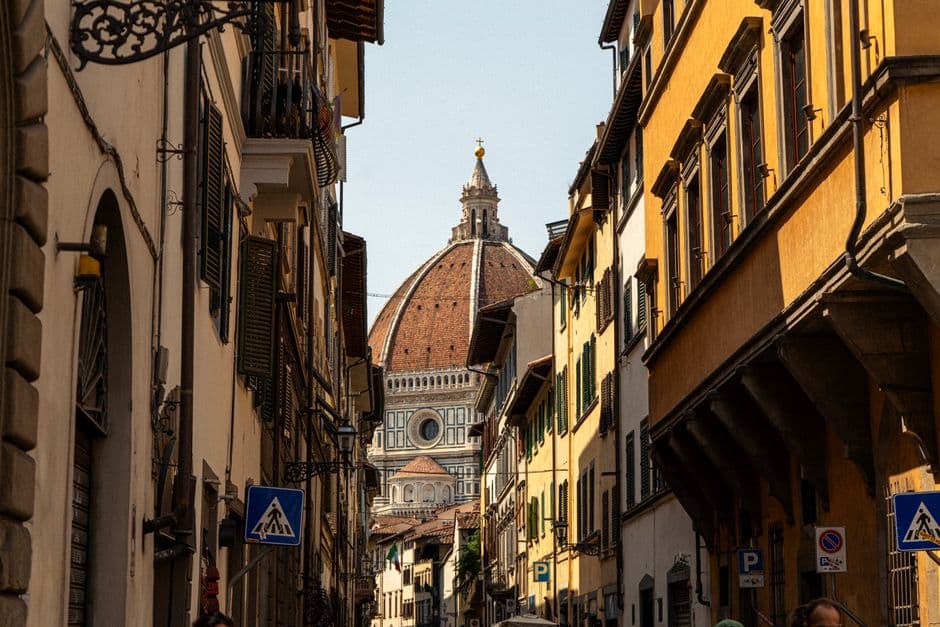
This is the single best structural reason to cross the Arno for dinner. It is not that the Oltrarno is more authentic, a word that has been doing too much work in travel writing for thirty years. It is that the planning rules make it the only part of the historic city where a new restaurant can still be born. Ten minutes on foot from the Uffizi, and a completely different commercial ecosystem.
Four streets where eating your sandwich is an offense
In September 2018 Florence introduced an ordinance forbidding people from stopping to eat on the pavement, in the roadway or on the steps of buildings along four specific stretches: Via de' Neri, Piazzale degli Uffizi, Piazza del Grano and Via della Ninna. The restriction applies at mealtimes, reported as roughly noon to 3pm and 6pm to 10pm, and reported fines run from around 150 up to 500 euros.
Now look at that first address again. Via de' Neri is where All'Antico Vinaio sits, across several shopfronts, selling the most photographed schiacciata in Italy to a line that rarely stops. The city put its street eating ban on the street with the famous sandwich, which is either excellent policy or the flattest joke in Tuscany, depending on which end of the queue you are standing at.
Two honest caveats. First, we could not confirm from an official 2026 source whether the ordinance is still being actively enforced; it began as a pilot and has been repeatedly renewed, and the English language reporting stops several years ago. Second, this is separate from the UNESCO Regulation above, and the two get conflated constantly. We are reporting them as two different things because they are two different things.
The behavior that keeps you clear either way is the behavior locals use anyway. Take the sandwich and walk. Or take it to a square with somewhere designed to sit, which in practice means Santo Spirito, the Sant'Ambrogio side, or the riverbank. Do not eat it on a church step, which is a rule about churches as much as about lunch.
The best restaurants in Florence, Italy, sorted by the evening you want
A ranked list of the best Florence restaurants is a bad instrument, because the top of it is always a room you cannot get into and the bottom is always a room you did not want. What follows is sorted by what you are trying to do instead. Every one of these is named consistently across the current guides we checked and appears on our own Florence restaurants map.
| Restaurant | Area | What it is | How to get in |
|---|---|---|---|
| Trattoria Mario | San Lorenzo, by the Mercato Centrale | A one room lunch trattoria that has been feeding market workers since 1953 | Lunch only, weekdays, no bookings, shared tables. Arrive before 12:30 or queue |
| Trattoria Sostanza | Santa Maria Novella | The butter chicken and the artichoke pie, in a room the size of a train carriage | Book well ahead, and confirm whether they are taking cards this month |
| Buca Mario | Piazza degli Ottaviani | A cellar dining room doing the full Tuscan repertoire, bistecca included | Book. It is smarter than it looks from the stairs |
| Osteria Santo Spirito | Piazza Santo Spirito, Oltrarno | Baked gnocchi in truffle cream, and a square to sit on afterward | Book for dinner, or eat early and take the outside table |
| Il Santo Bevitore | San Frediano, Oltrarno | The modern Florentine kitchen, wine list first, tasting menu available | Book. This is the one to spend on if you only spend once |
| Trattoria Cammillo | Borgo San Jacopo, Oltrarno | An old family room that ignores fashion in both directions at once | Book, dress like an adult, and read the specials before the menu |
| Trattoria Sabatino | Porta San Frediano | Canteen prices, paper tablecloths, closes when most people start thinking about dinner | No booking. Weekday lunch and early evening only |
| Da Nerbone | Inside the Mercato Centrale, ground floor | A market counter selling bollito and lampredotto rolls since 1872 | No booking, no table, cash is faster. Market hours, so lunch |
Two operating notes that apply across the whole list. Florentine kitchens keep short and serious hours, roughly 12:30 to 14:30 and 19:30 to 22:30, and a trattoria that closes at 22:00 means it. And the small famous rooms take bookings weeks out in high season while the good unfamous ones take them on the day, so the correct strategy is one booked dinner and the rest walked into.
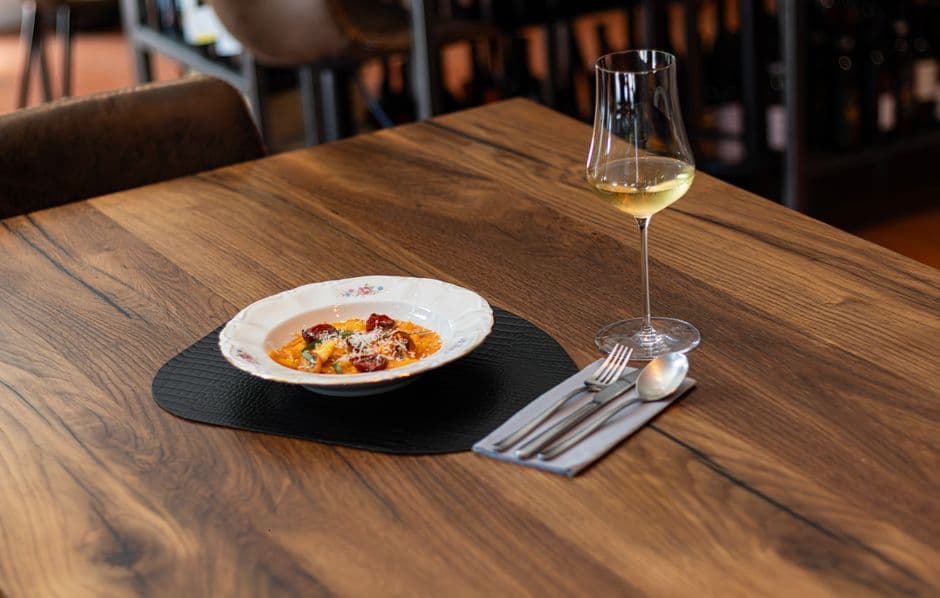
If you want one dish to judge a kitchen by, order the ribollita. It is bread, beans and cabbage, it costs almost nothing to make, and it is therefore impossible to hide behind. A room that takes ribollita seriously is not going to disappoint you on anything more expensive.
The best food in Florence, Italy, is mostly not the steak
Tuscan cooking is peasant cooking with very good raw materials, which means most of the canon is built on stale bread and cheap cuts. This is a feature. Here is what to look for on a menu, in the order you are likely to meet it.
Bread with no salt in it, on purpose
Tuscan bread, pane sciocco, is made without salt and tastes, on its own, like a polite mistake. It is not meant to be eaten on its own. It exists to be soaked, and half the regional canon is a delivery mechanism for yesterday's loaf: panzanella in summer, pappa al pomodoro any time, ribollita when it is cold. Judge the bread by what gets poured on it.
Lampredotto, the actual street food of Florence
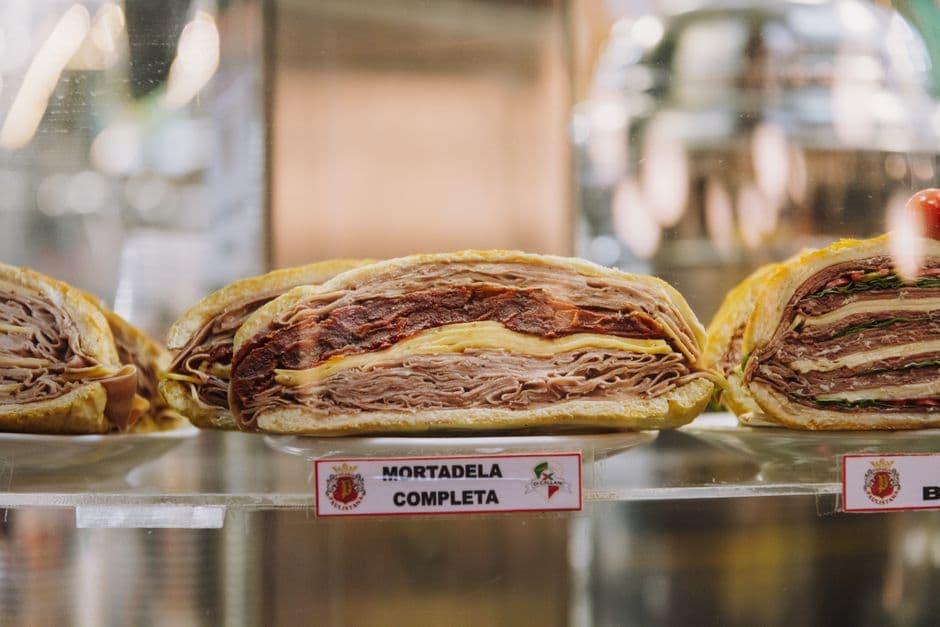
Not the schiacciata, whatever Instagram says. Lampredotto is the fourth stomach of the cow, simmered in broth, chopped, piled into a bun whose top half has been dunked in the cooking liquid, and finished with salsa verde and hot sauce. It is sold from carts and hole in the wall counters by tripe sellers called trippai, it costs about the price of a coffee and a half, and it is the single most Florentine thing you can eat standing up. If offal is a hard no, order the bollito instead, which is the same sandwich made with boiled beef.
The rest of the working list
- Coccoli: fried dough balls served with stracchino and prosciutto. The correct first thing to order, in any restaurant in Florence, at any price level.
- Pappardelle al cinghiale: wide ribbons with wild boar ragu. Tuscany's answer to the question of what to do with an animal that has been eating the vineyard.
- Peposo: beef stewed in Chianti with an amount of black pepper that reads like a typo. Reputedly the food of the kiln workers who fired the tiles for Brunelleschi's dome, which is a good story whether or not it survives contact with a historian.
- Trippa alla fiorentina: tripe in tomato, the sit-down cousin of the lampredotto cart.
- Schiacciata: the flat, pressed, olive oil rich bread the famous sandwiches are built on. Worth eating plain and warm from a bakery at least once.
- Cantucci and vin santo: hard almond biscuits and sweet wine to dip them in. The dipping is not optional and not twee. It is what the biscuit is for.
How a Florence bill is assembled, line by line
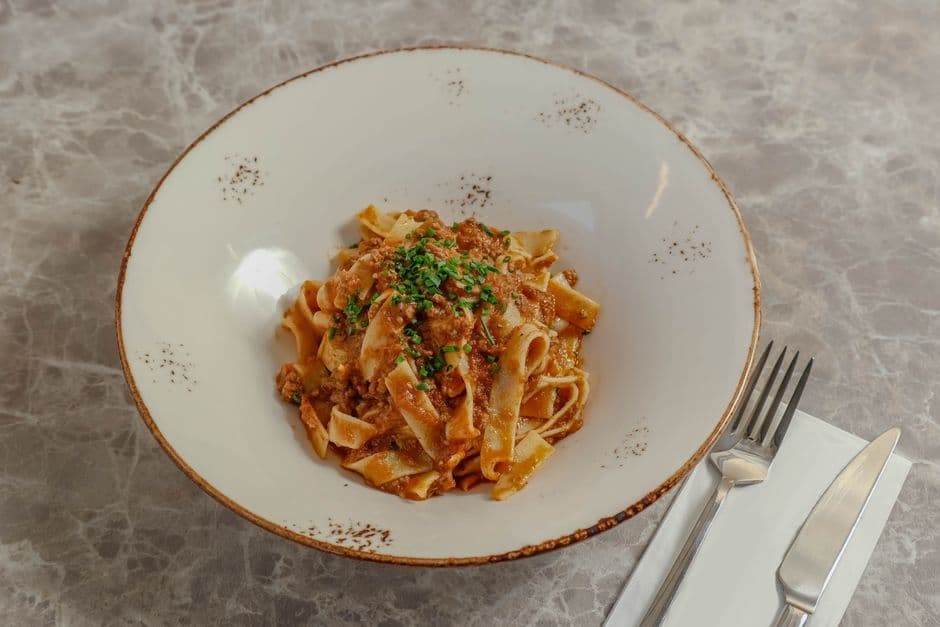
Almost everything reported online as a Florence restaurant scam is an ordinary Italian billing convention meeting a visitor who was not expecting it. Five lines account for most of the surprise.
| Line | What it is | What to do about it |
|---|---|---|
| Coperto | A per person cover charge, typically 2 to 4 euros in the center | Legal, and it must be shown on the menu. Check the small print at the bottom before you sit |
| Pane | Bread, sometimes billed separately from the coperto rather than inside it | Ask which of the two you are paying. Paying both for the same basket is the classic center markup |
| Acqua | Bottled water, naturale or frizzante, brought without being asked | It is a real line item everywhere. Say the size once, mezzo litro or litro, and it stops growing |
| Vino della casa | House wine by the quarter, half or full liter rather than the glass | Un quarto is a large glass at a small price. It is the best value decision on most menus |
| Servizio | A service percentage, mostly in tourist facing rooms | If servizio is charged, tipping on top is not expected. If it is not, rounding up is plenty |
The wine line is the one that actually saves money. Ordering a quarter liter of the house red costs a fraction of two glasses of anything with a label, and in a Tuscan trattoria the house wine is a local Sangiovese that somebody's cousin made. Ordering a bottle of Brunello in a room with paper tablecloths is a way of announcing that you have misread the situation.
The starred rooms, and why the count you read is never the same twice
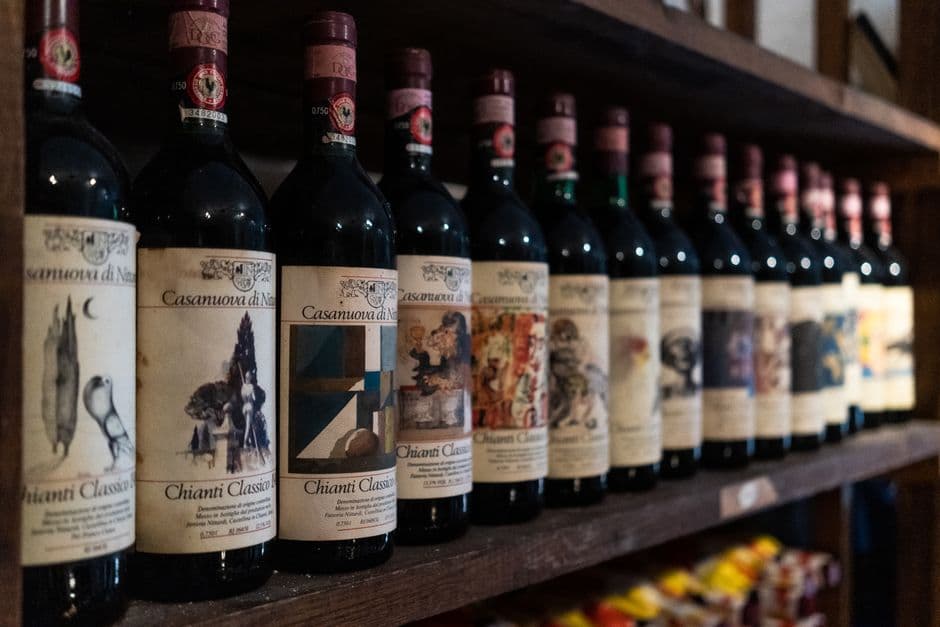
Florence's Michelin situation is genuinely confusing to look up, because published counts range from nine to twelve depending on who is doing the counting. The reason is boundaries. Some lists fold in restaurants that are in neighboring comuni, Fiesole up the hill being the usual culprit, and some do not.
So rather than quote a total we cannot defend, here is what the sources agree on for the 2026 selection, announced on 19 November 2025 in Parma. One restaurant in Florence holds three stars, Enoteca Pinchiorri, on Via Ghibellina. One holds two, Santa Elisabetta, inside a medieval tower near the Duomo. The one star names that recur across every list are Il Palagio, Borgo San Jacopo, Gucci Osteria, Atto di Vito Mollica, Saporium and, new for 2026, Luca's.
Worth keeping in proportion. Florence is not a starred restaurant city in the way its neighbors to the north are, and if you want to see how the counts stack up between cities we wrote about that in the city with the most Michelin stars. The best meal you eat here will probably cost forty euros and be served by somebody who has worked the same three tables for a decade.
Where to point yourself, by area
Florence's historic center is small enough to cross on foot in twenty five minutes, so the areas below are not a logistics problem. They are a pricing problem, and knowing which one you are standing in is worth more than any single restaurant name.
| Area | What it is for | The thing to know |
|---|---|---|
| Duomo and Piazza della Signoria | Sightseeing, not eating | The frozen core. Walk three streets in any direction before you sit down |
| San Lorenzo and Mercato Centrale | Market lunches, counters, the cheapest good food in the center | Ground floor is the old market, upstairs is a modern food hall. Different prices, same building |
| Santa Croce and Sant'Ambrogio | Where the city eats when it is not performing | The Sant'Ambrogio market is the working one. Cheaper and calmer than San Lorenzo |
| Oltrarno: Santo Spirito and San Frediano | The best concentration of dinner in the city | Across the river, ten minutes from the Uffizi, and a different economy entirely |
| Santa Maria Novella | A few institutions among a lot of station churn | Good rooms exist here but they are specific addresses, not a neighborhood you can wander |
If Florence is one stop on a longer route, the food-first next city by train is Bologna at about forty minutes, which is a serious eating town pretending to be a university one, and our Bologna restaurants map is built the same way as this one. Rome is an hour and a half south, and the Rome restaurants map covers it. The full set lives on the destinations page.
What we checked, and where the sources disagree
Three things in this guide are contested, and we would rather say so than round them off. The Michelin count for Florence is reported as anywhere from nine to twelve, so we named the restaurants everyone agrees on and skipped the total. The street eating ordinance is well documented at its 2018 introduction and poorly documented since, so we gave its terms and flagged that we could not verify current enforcement. And the fine for it is reported as a range, 150 to 500 euros, rather than a single figure.
The sources worth reading directly: Florence Daily News on the 2026 UNESCO Regulation vote, the European Parliament question on the fiorentina ban for the primary record of what was actually prohibited, and the MICHELIN Guide's own Florence page for the current selection, which is the only count that settles arguments.
Go and get the ribollita. We already saved you the good addresses, so you can spend the walk across the bridge deciding whether a city that buried its own steak is charming or slightly unwell.
Common questions
- What are the best restaurants in Florence, Italy?
- For a working shortlist across price levels: Trattoria Mario by the Mercato Centrale for a weekday market lunch with no bookings, Trattoria Sostanza in Santa Maria Novella for the butter chicken, Buca Mario for the full Tuscan repertoire including bistecca, Osteria Santo Spirito for baked truffle gnocchi, Il Santo Bevitore in San Frediano if you are spending once, Trattoria Cammillo in the Oltrarno for an old family room, Trattoria Sabatino for canteen prices, and Da Nerbone inside the Mercato Centrale for a lampredotto or bollito roll at a counter. The pattern that matters more than any single name is that the best dinners are across the Arno.
- What is the best food in Florence, Italy?
- Bistecca alla fiorentina is the famous one, but the Tuscan canon is built on stale bread and cheap cuts and that is where the good eating is. Order coccoli to start, which are fried dough balls with stracchino and prosciutto. Then ribollita, panzanella or pappa al pomodoro, which are all ways of using yesterday's saltless Tuscan bread. Pappardelle with wild boar ragu and peposo, beef stewed in Chianti with an enormous amount of pepper, are the classic mains. The real street food is lampredotto, a tripe sandwich sold from carts, not the schiacciata sandwiches the queues form for.
- How much does a bistecca alla fiorentina cost in Florence?
- It is priced per etto, meaning per hundred grams, at roughly twenty to one hundred euros per kilo depending on the restaurant, so the number on the menu is not the price of your steak. A restaurant portion runs about 900 grams to 1.2 kilos because it is cut three to four fingers thick, which means it feeds two people minimum and comfortably three. Ask for the weight to be confirmed before it is cooked. A bistecca offered as a single portion at a flat price is a steak, but it is not this dish.
- Is it true you can be fined for eating in the street in Florence?
- Florence introduced an ordinance in September 2018 forbidding people from stopping to eat on the pavement, in the roadway or on the steps of buildings along four stretches: Via de' Neri, Piazzale degli Uffizi, Piazza del Grano and Via della Ninna. It applies at mealtimes, reported as roughly noon to 3pm and 6pm to 10pm, with fines reported between 150 and 500 euros. It began as a pilot and has been renewed, though current enforcement is not well documented in English. Take the sandwich and walk, or eat it in a square with somewhere to sit.
- Why can no new restaurants open in central Florence?
- The city governs its UNESCO listed historic center with a set of rules known as the UNESCO Regulation, whose central provision is that no new food and beverage business may open inside the UNESCO area, including one relocating from elsewhere in the zone. In April 2026 the council extended it by five years to 2031 and raised the number of streets under enhanced protection to seventy one. Piazza del Duomo, Piazza della Signoria and Piazza Santa Croce carry extra restrictions. The practical effect is that the center's restaurant list is frozen and new kitchens open in Sant'Ambrogio, San Frediano and Santo Spirito instead.
- Which area of Florence is best for dinner?
- The Oltrarno, meaning Santo Spirito and San Frediano across the river, has the best concentration of dinner in the city and is about ten minutes on foot from the Uffizi. Santa Croce and Sant'Ambrogio are the next best and are where the city eats without performing, with the Sant'Ambrogio market being the working one. San Lorenzo around the Mercato Centrale is the best value inside the center. Avoid sitting down within sight of the Duomo or Piazza della Signoria, where you are paying for the view.
- What is coperto and do I have to pay it?
- Coperto is a per person cover charge, usually two to four euros in central Florence. It is legal and it must be shown on the menu, so check the small print at the bottom before you sit down. Bread is sometimes billed separately from it rather than included in it, and paying both for the same basket is the classic center markup, so it is worth asking which one you are being charged. If a service percentage is also charged, tipping on top is not expected.
- How many Michelin star restaurants are in Florence?
- Published counts range from nine to twelve because some lists include restaurants in neighboring comuni such as Fiesole and some do not, so the total is worth treating carefully. What the sources agree on for the 2026 selection, announced on 19 November 2025, is that Enoteca Pinchiorri is the only three star restaurant in Florence and Santa Elisabetta the only two star. The one star names that recur on every list are Il Palagio, Borgo San Jacopo, Gucci Osteria, Atto di Vito Mollica, Saporium and, new for 2026, Luca's.