
The Best Food in Rome, Neighborhood by Neighborhood
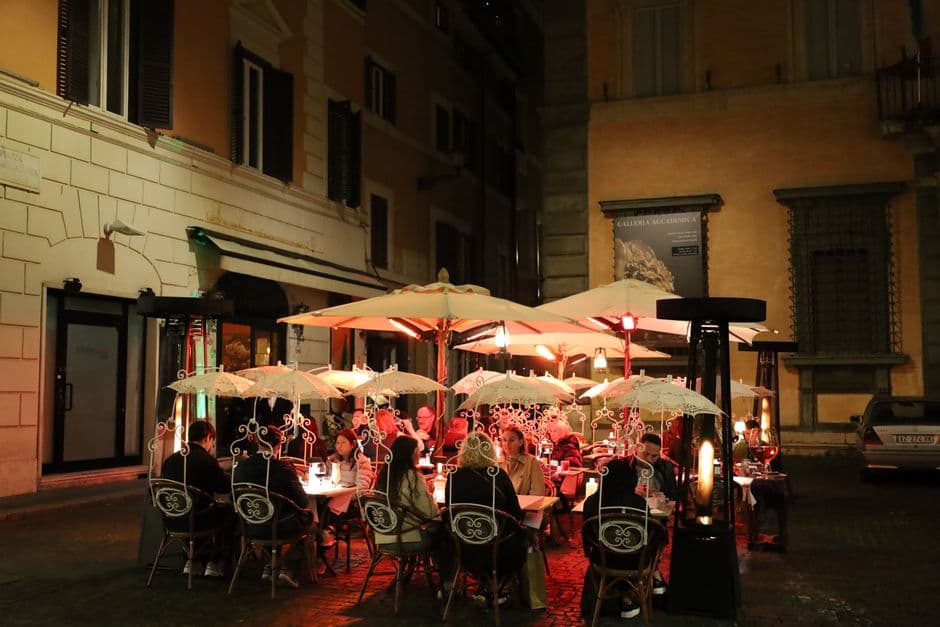
The best food in Rome is almost never in sight of anything famous. That is most of the advice right there, and the rest of this guide is the specifics: which neighborhoods to eat in, what to order once you sit down, and how to avoid paying 19 euros for a carbonara with cream in it. (Yes, I have. Two minutes from the Trevi Fountain. My bank and I have moved on.)
Rome is unusual among great food cities in that the excellent version and the embarrassing version of the same dish are often two streets apart and cost about the same. The gap is not money, it is information. Everything below is that information: where Romans actually eat, what a meal should cost, and the handful of rules that quietly decide how the whole week goes.
Five rules that decide whether you eat well in Rome
Learn these before you learn a single restaurant name. They are worth more than any list, including the one further down this page.
Rome eats late. Lunch is 1pm to 3pm, dinner is 8:30pm to 10:30pm, and a lot of serious kitchens keep the door shut until 7:30. A dining room that is busy at 6:30 is busy with people who will never come back, and the kitchen has priced accordingly.
The coperto is normal. The guy with the menu is not. The coperto is a per-person cover charge, usually 1.50 to 3 euros, and it is not a scam. What is a warning sign: a coperto plus a 15 percent service charge, photographs of every dish, a menu in four languages with no Italian, and a man at the door making eye contact with you. If a restaurant needs someone standing outside to find customers, the food is not doing that job.
Walk fifteen minutes. Almost every bad meal in Rome is eaten within 200 meters of a monument. Almost every good one is a quarter of an hour further out. The Colosseum is not going anywhere while you eat.
Four pastas carry the city. Gricia, cacio e pepe, amatriciana and carbonara are variations on the same short list of ingredients: pecorino romano, guanciale, black pepper, and in one case a tomato that showed up late. Learn the four and you have basically learned Roman cooking, which is the best value educational program in Italy.
Book the small famous ones, walk into everything else. Rome does not have a reservations culture the way Copenhagen does, but the twenty rooms everyone has heard of are booked out for weeks precisely because everyone has heard of them. Book those. For the rest, turn up at 8pm and be flexible about which street you end on.
| Neighborhood | What it is for | Dinner per head |
|---|---|---|
| Trastevere | Trattorias and a long evening, off the main squares | 25 to 40 euros |
| Testaccio | The Roman canon, offal, pizza, market lunch | 20 to 35 euros |
| Centro Storico | One booked dinner, plus the best bakeries | 30 to 60 euros |
| Prati and the Vatican | Pizza al taglio and a proper food market | 15 to 30 euros |
| Ostiense, San Giovanni, Pigneto | Where the young chefs went | 30 to 45 euros |
| Monte Mario and the rooftops | The blowout, booked a month out | 150 to 300 euros |
Trastevere restaurants are excellent, two streets off the square
Trastevere has a reputation problem in both directions. Half the internet says it is where the real Rome lives, the other half says it is a theme park with cobblestones. Both are describing the same neighborhood from different streets.
The rule here is geometric. Piazza di Santa Maria in Trastevere and Via della Lungaretta are the tourist spine. Everything two turns off it gets rapidly better and about a third cheaper.
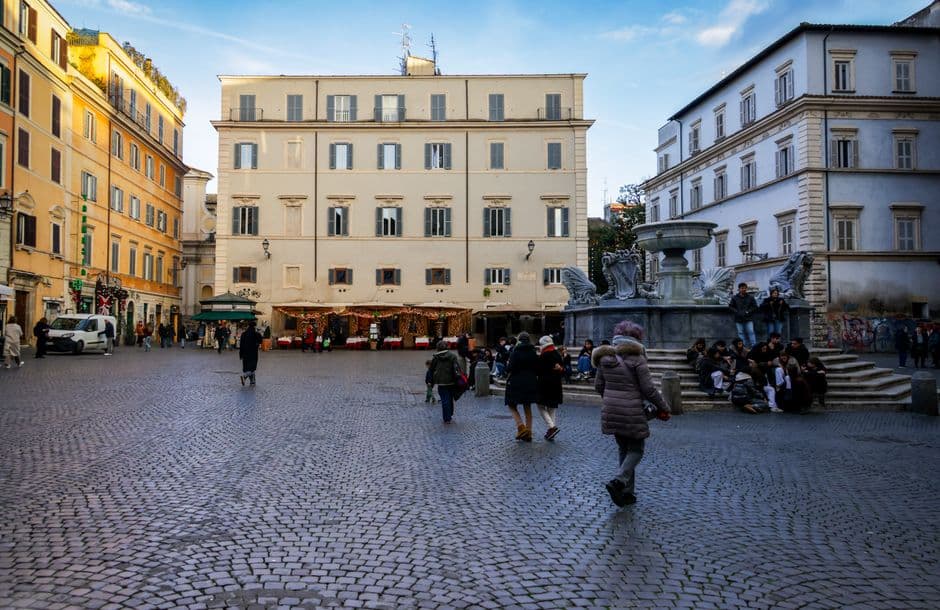
Da Enzo al 29 on Via dei Vascellari is the one people queue for, and reasonably: a dozen tables, Lazio ingredients, a carbonara that has converted skeptics, and fried artichokes in season. They take a small number of bookings and hand the rest of the evening to whoever is willing to stand outside. Go at opening or go at 10pm.
Roma Sparita on Piazza di Santa Cecilia serves its cacio e pepe inside a baked parmesan basket, which sounds like a gimmick from 2009 and turns out to be structurally sound. Seu Pizza Illuminati down towards Porta Portese is Pierdaniele Seu doing the most interesting pizza in the city, contemporary without being silly about it. And Glass Hostaria is Cristina Bowerman’s Michelin-starred room right in the middle of the old streets, which is a bit like finding a jazz quartet in a pub: correct, and slightly startling.
What to skip: anything on the main piazza with a picture menu, and any restaurant that has translated cacio e pepe as "cheese and pepper pasta" for your benefit. They are not wrong. They are just telling you who they cook for.
Testaccio is where Rome eats its own cooking
If you only get one neighborhood, make it this one. Testaccio grew up around the city slaughterhouse, and the local cooking is what the workers were paid in: the quinto quarto, the fifth quarter, meaning every part of the animal that the nice districts did not want. Two generations later that is the most respected food tradition in Rome, which is a very Roman outcome.
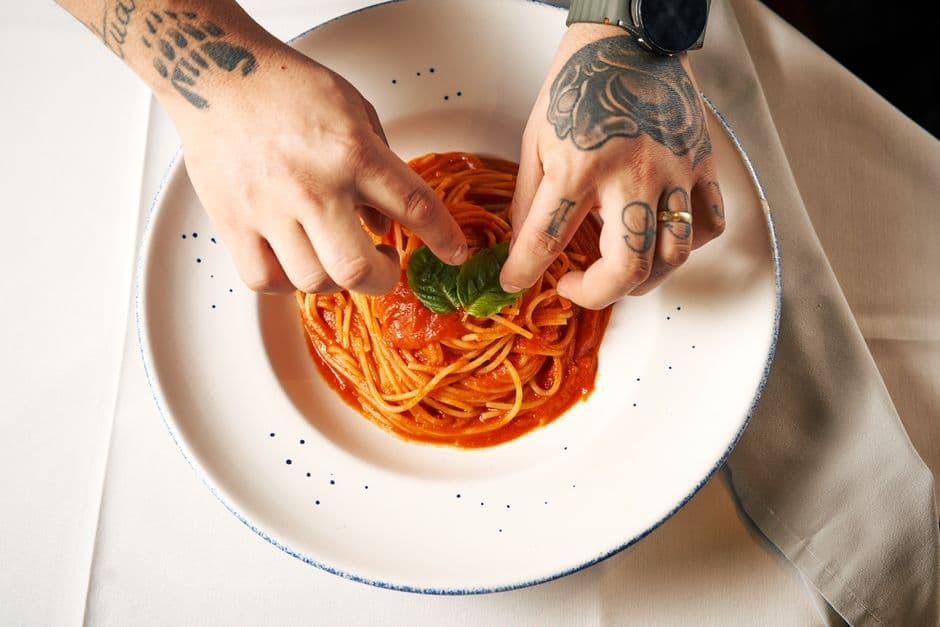
Felice a Testaccio tosses its cacio e pepe at your table, and watching a waiter emulsify cheese with a fork for ninety seconds is better dinner theater than most cities manage. Flavio al Velavevodetto is dug into the side of Monte Testaccio, a hill made entirely of ancient smashed amphorae, so you can eat rigatoni con la pajata inside two thousand years of Roman garbage disposal. Da Remo does Roman pizza the way it is supposed to be: thin to the point of brittle, ordered off a pencil checklist, eaten under strip lighting at speed.
For lunch, go to the Mercato di Testaccio and find the Mordi e Vai counter, where Sergio Esposito ladles slow-cooked trattoria dishes straight into a bread roll. The allesso annafiato, boiled beef soaked in its own broth, costs about five euros and is one of the best things you can eat in this city at any price.
Testaccio is also where Trapizzino was invented: a triangular pocket of pizza dough filled with a stew, usually chicken cacciatora or oxtail. Stefano Callegari opened the first one on Via Giovanni Branca and there are now branches in several countries, which is not bad for a snack that started as a way to use up leftovers.
In the Centro Storico, book one dinner and eat the rest standing up
The historic center is where the odds are worst and the ceiling is highest. It contains genuinely great restaurants and also several hundred places whose business model is that you are tired, it is 2pm, and the Pantheon is right there.
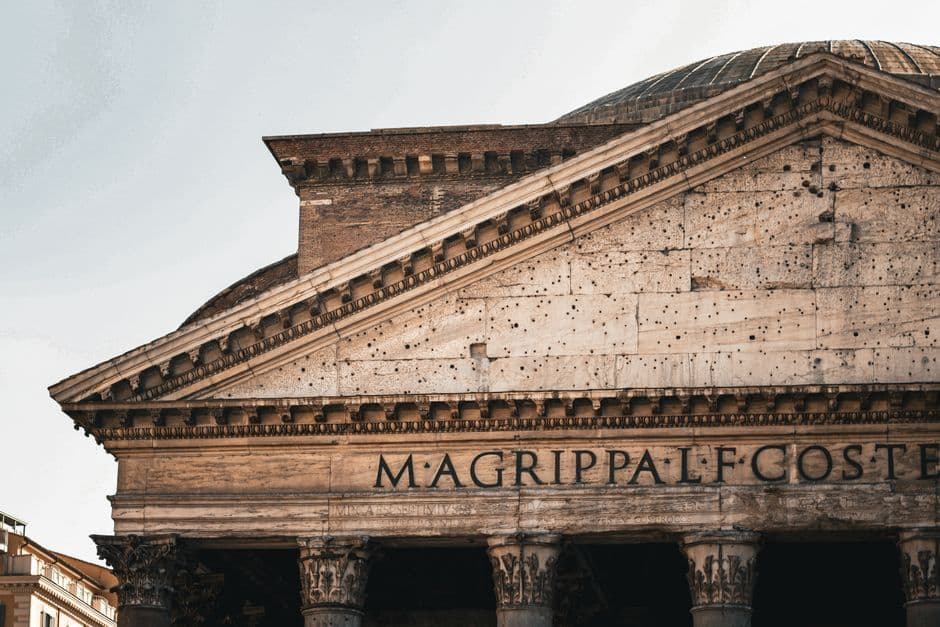
Armando al Pantheon has been run by the same family since 1961, seats about fifty people, and is fully booked several weeks out. It is the single best argument that a restaurant 40 meters from a major monument can still be serious. Book it the day you book your flights.
Roscioli on Via dei Giubbonari is a salumeria with tables wedged between the cheese counters, and its carbonara is the one most often named the best in Rome. Around the corner, Antico Forno Roscioli sells pizza al taglio by weight to people who are not sitting down at all. That contrast is the correct way to use this neighborhood: one long booked dinner, and the rest of your eating done vertically.
The standing-up canon, in order of how often I have done it: Forno Campo de’ Fiori for pizza bianca still warm and salted; Sant’Eustachio Il Caffè for an espresso that arrives pre-sweetened unless you say senza zucchero (ask first, do not be me); Giolitti for gelato near the Pantheon; and Pasticceria Boccione in the Jewish Ghetto for a ricotta and sour cherry tart that is burnt on top on purpose. The Ghetto is also where you eat carciofi alla giudia, the artichoke fried until it opens like a flower and shatters like a crisp.
Near the Spanish Steps, walk west before you eat anything. Restaurants around Piazza di Spagna price for the address, and the address does not cook.
The four Roman pastas, and where to eat the best version of each
The best pasta in Rome is not a secret recipe, it is four of them, and they are all cousins. Gricia is guanciale and pecorino. Add pepper and drop the pork and you have cacio e pepe. Add egg yolk to gricia and you have carbonara. Add tomato instead and you have amatriciana. It is a family tree with one grandparent and no branches, which is why Romans get so agitated when you put cream in it.
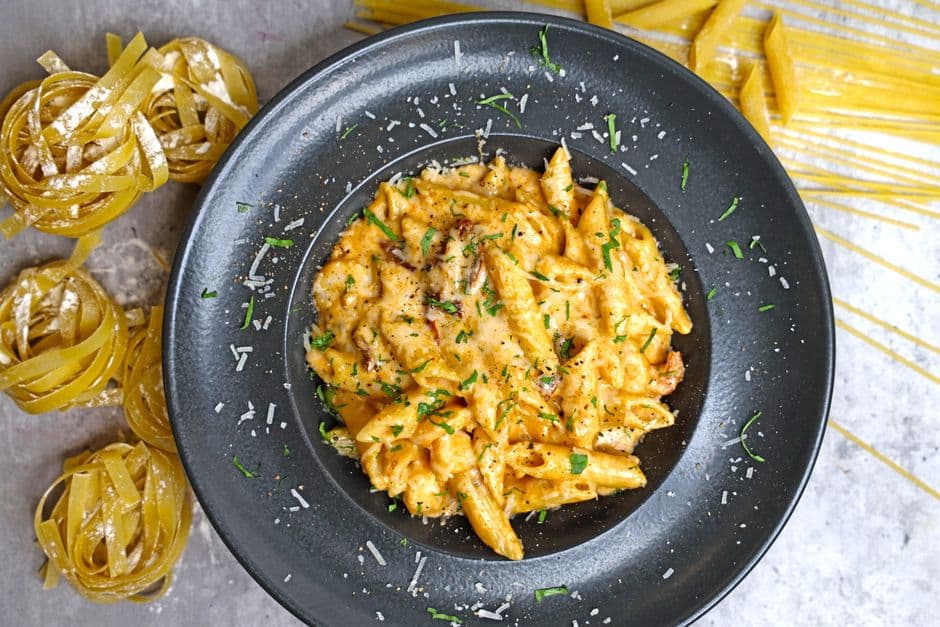
- Carbonara: Roscioli in the center, Flavio al Velavevodetto in Testaccio, Da Enzo in Trastevere. Guanciale, not pancetta. Pecorino, not parmesan. No cream, no onion, no garlic, no discussion.
- Cacio e pepe: Felice a Testaccio for the tableside version, Roma Sparita for the parmesan basket. Two ingredients and a technique, which is why it is the dish that exposes a bad kitchen fastest.
- Amatriciana: Armando al Pantheon, or Santo Palato out by Piazza Tarquinia. Named for the town of Amatrice, which is a two-hour drive northeast and takes the attribution seriously.
- Gricia: the one nobody outside Italy orders, and frequently the best plate on the table. Ask for it anywhere the other three are good.
One ordering note that will save you: pasta is a first course, not a main. Two people ordering two pastas and calling it dinner is completely normal and nobody will mind. Ordering a pasta and then a steak because the menu is laid out that way is how visitors end up walking back to the hotel very slowly.
The best street food in Rome costs about four euros
Rome invented several things specifically so you could eat them while walking to something more important. The best food in Rome is not all served at tables, and a lot of it costs less than a coffee in London.
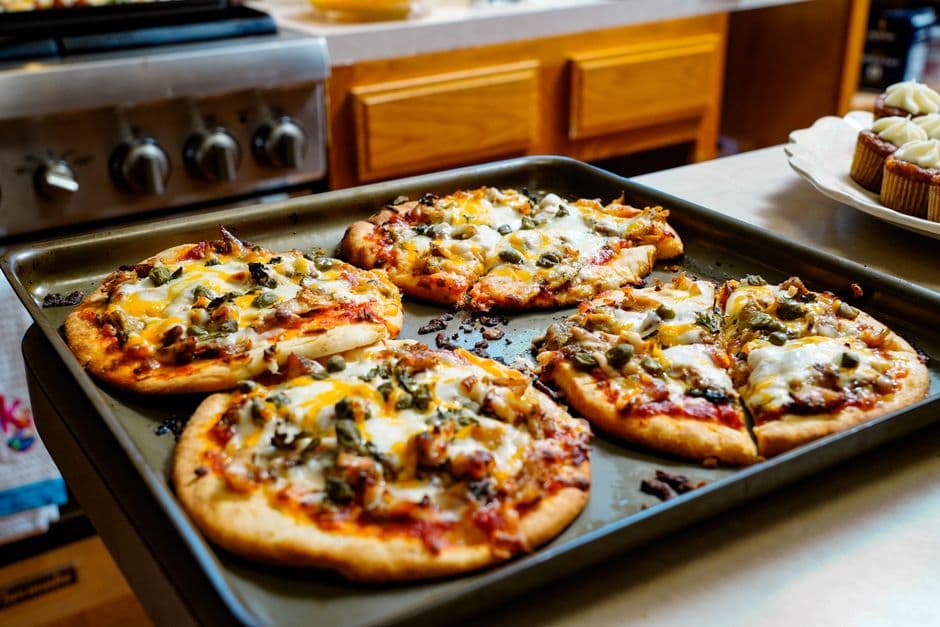
Suppli are the foundation: fried rice balls with a core of mozzarella that pulls into a thread when you tear one open, which is where the full name suppli al telefono, telephone-wire suppli, comes from. Every decent pizzeria has them. Two euros, eaten in four bites, not a single one regretted.
Pizza al taglio is sold by weight from a tray. Point, say how much you want, pay by the gram. The pilgrimage version is Bonci Pizzarium near the Vatican museums, where Gabriele Bonci put a slice of focaccia-adjacent dough on the culinary map and people now queue on a scruffy side street for it.
Then there is porchetta, herb-stuffed roast pork carved into bread and originally from Ariccia in the hills south of the city; filetti di baccala, deep-fried salt cod, done properly at Dar Filettaro near Campo de’ Fiori; and the maritozzo, a sweet bun split and packed with far too much whipped cream, which Romans eat for breakfast with a straight face. Respect the commitment.
The best dining in Rome starts at La Pergola and gets more relaxed from there
Rome has around seventeen restaurants with Michelin stars, which is fewer than Milan and considerably fewer than the city thinks it deserves. The current list is on the Michelin Guide listing for Rome, and it moves every year, so check before you book anything.
- La Pergola on Monte Mario is the only three-star in the city, Heinz Beck has held it for over two decades, the wine list runs to thousands of labels, and there is a jacket requirement. Book a month out and treat the taxi fare as part of the price.
- Il Pagliaccio near Via del Governo Vecchio: Anthony Genovese, two stars, precise Italian technique with flashes of Asia, and the most intimate room of the group.
- Enoteca La Torre at Villa Laetitia holds two stars inside an Art Nouveau villa on the Tiber, and Acquolina holds two for contemporary seafood, which in a city this fixated on pork is genuinely a change of pace.
- Aroma is the one with the Colosseum filling the windows. It is the only restaurant in Rome where I will accept a view as a legitimate reason to book, mainly because the kitchen keeps up.
- Mater Terrae, on the roof of the Bio Hotel Raphael, is the serious vegetarian and vegan option, and it is a real restaurant rather than a concession stand for the one person at the table who does not eat guanciale.
Prices at this level still land well under Paris or London for equivalent cooking. If you have been carrying one splurge dinner around Europe waiting for the right city, Rome is a reasonable place to put it down.
The best meal of your trip is probably one tram ride away
Rents in the center did what rents do, so the interesting young kitchens opened where they could afford to. This is where Romans go on a Friday, and it is the single easiest upgrade available to a visitor.
Santo Palato in San Giovanni is Sarah Cicolini cooking offal and the Roman canon with real technique and no reverence, and it is the restaurant I would send a chef to. Trattoria Pennestri in Ostiense is the same idea in a quieter room. Da Cesare al Casaletto is out past Trastevere at the end of the number 8 tram, and the fried starters and the amatriciana are worth the twenty minutes it takes to get there.
North of the river, Romane on Via Cipro is Stefano Callegari again, doing pizza and Roman plates in the Vatican’s dull hinterland, and the Mercato Trionfale nearby is the biggest covered market in the city with almost no visitors in it.
You can also just get on a train. Florence is ninety minutes north and has a hand-checked list of its own, and if the Roman pizza argument has not settled anything for you, Naples is an hour south and settles it permanently.
Three days of eating in Rome, in order
Day one. Land, drop bags, walk to Forno Campo de’ Fiori for pizza bianca while you get your bearings. Suppli somewhere in the afternoon. Dinner in Trastevere, two streets off the piazza, no booking, 8:30pm. Gelato on the walk back. Nothing today needs planning, which is the point.
Day two. Espresso standing at a bar, then a maritozzo if you have the nerve. Lunch at Mercato di Testaccio, at the Mordi e Vai counter, early. Spend the afternoon somewhere with columns. Dinner is the booked one: Armando al Pantheon or Roscioli, reserved weeks ago by the version of you who reads guides in advance.
Day three. Pizza al taglio at Bonci Pizzarium before or after the Vatican, whichever mood you are in. Katie Parla’s essential dishes list is a good way to pick the gaps you still have. Then get the tram out to Da Cesare al Casaletto for a long late lunch, and finish with pizza romana at Da Remo in Testaccio, thin and fast and cheap. That is the right last meal.
A fourth day belongs to Santo Palato. A fifth belongs to whichever one-star room you have been reading about since day two.
Eat at 8:30 and not before, walk fifteen minutes away from whatever you just photographed, order the gricia, and never trust a restaurant that needs a man outside to fill its tables. Rome will do the rest, and it has had a very long time to practice.
Eating somewhere else on this trip? There are hand-checked lists for every city we cover, and the fifteen-minute rule works in all of them.
Best food in Rome: common questions
- What area of Rome has the best food?
- Testaccio, for the Roman canon at fair prices, and Trastevere once you get two streets off the main piazza. If you want one neighborhood for one day, make it Testaccio: the market lunch, the offal trattorias and the thin Roman pizza are all within a ten minute walk of each other.
- What time do Romans eat dinner?
- Dinner runs from about 8:30pm to 10:30pm, and many good kitchens do not open before 7:30. A restaurant that is busy at 6:30pm is serving visitors, not locals. Book for 8:30pm or later and you will be eating in a room that has warmed up.
- What is the coperto and do I have to pay it?
- The coperto is a per-person cover charge, usually 1.50 to 3 euros, and it is a normal, legal part of an Italian bill. It is not a tip and it is not optional. What should worry you is a coperto plus a 15 percent service charge on the same bill, which is a tourist-pricing signal.
- What food is Rome known for?
- Four pastas above all: carbonara, cacio e pepe, amatriciana and gricia, all built on pecorino romano and guanciale. Beyond those, Rome is known for thin crisp pizza romana, pizza al taglio sold by weight, suppli, carciofi alla giudia, porchetta, the quinto quarto offal dishes of Testaccio, and the maritozzo.
- How much does dinner cost in Rome?
- A trattoria dinner with wine runs about 25 to 35 euros a head, and a pizza with a beer lands between 12 and 20. Street food is 2 to 6 euros. Michelin tasting menus start around 120 euros and run past 300 at La Pergola, still below the equivalent in Paris or London.
- Is Trastevere a tourist trap?
- Parts of it are. Piazza di Santa Maria in Trastevere and Via della Lungaretta are the tourist spine, and the restaurants there price for the location. Two turns off that spine the quality goes up and the bill goes down, which is where Da Enzo al 29, Roma Sparita and Seu Pizza Illuminati sit.
- Do I need to book restaurants in Rome?
- Only for the twenty or so rooms everyone has heard of. Armando al Pantheon and Roscioli need several weeks, La Pergola needs a month. For everything else, turning up at 8pm and being flexible about the street works fine, which is not true in most European capitals any more.
- Where is the best carbonara in Rome?
- Roscioli on Via dei Giubbonari is the version most often named the best in the city. Flavio al Velavevodetto in Testaccio and Da Enzo al 29 in Trastevere are the two classic trattoria answers. All three use guanciale and pecorino romano, no cream, which is the whole test.